One Is the Tree — Giuliano Serafini
One Is the Tree — Giuliano Serafini
by Giuliano Serafini
There is an important starting point to set when approaching Eleni Parmakeli’s work: she is a «double-sided» artist, of a twofold and contradictory expressive repertoire.
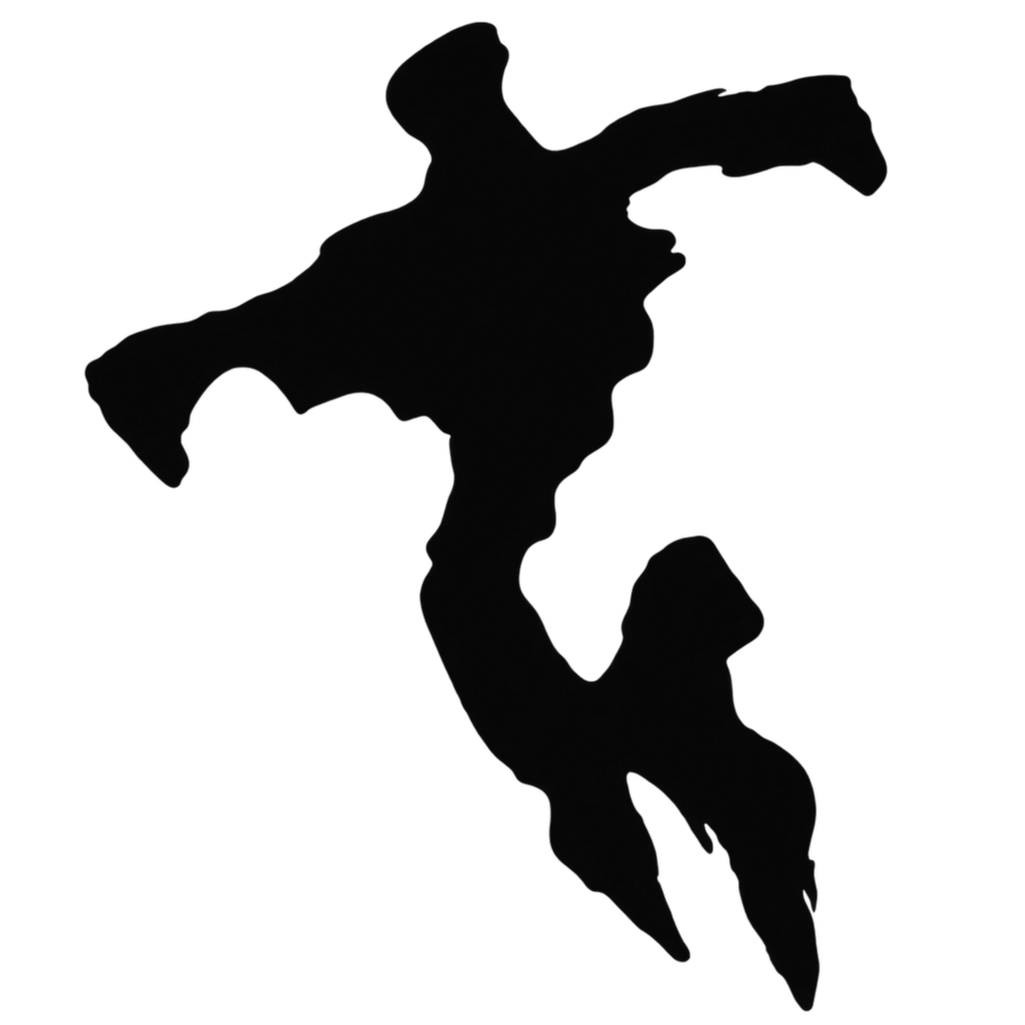
First, we encounter the «cold» side of her work (which, however, is not represented in the exhibition), where anthropomorphic silhouettes, cut on superposed aluminum sheets, evolve into a kind of ideographic script repeated in infinity. Here, the predominance of the technological factor is evident, and works resemble perfect metal structures, which, eventually, owe some of their traits to the most sophisticated achievements of design.
Then, without warning and without any obvious reason, the «other» Eleni Parmakeli appears: different, I would dare to say competitive or even «heretical» against the former. This is Eleni Parmakeli I am writing about today, and whose work still seeks one more clarification on my part: I intend to leave aside issues of timelessness regarding this particular body of work, in order to deal with many of the mysterious phenomena through which Art is mainly manifested: in other words, I will address ambiguities, oddities and surprises.
Everyone acknowledges that one of the greatest goals of an artist is to conquer style, to attain a «signature». A pursuit that will allow him or her to be recognized at first glance: he or she and no one else, unique and incomparable amongst others. I am referring to cases of triumphant Egos, sometimes ruled by narcissism and professional perversion, most often driven by commercial strategies and similar policies of exploitation.
It is clear that this rule does not apply to Eleni Parmakeli. In answer to this challenge, she sets her targets much higher, where distances are covered exclusively under conditions of absolute freedom and isolation. Besides, who considers language consistency to be a prerequisite for a given creative experience? And why not advocating moral integrity, that is the inherent in her formative methods and unexplored needs reason, which will substantiate her experience and open up her way to the world?
I firmly believe that the artist can and should dare as much as possible. Artists are entitled to dare. They do not have to account to anyone, not even to themselves, for their discrepancies, contradictions, paradoxes, dreams and errors. In fact, making art means entering into a state of ecstasy, being driven by something that, although it does not belong to you, it never abandons you, becoming, in some way, your compass – to make a reference to a precept of cabbalistic wisdom. Something unique, which allows you to run through all possible paths in order to conquer the work: that «thing» is the symbol.
If we have to locate the key to this impressive U-turn in Parmakeli’s work, I believe it is to be found right here: in the saturation point she has reached, in the discomfort caused by her extreme sense of belonging to contemporary times. As if she became suddenly aware that her work has been increasingly integrating the cumulative methods of informatics; aware of the danger that she herself might end up a cybernetic figure.
This is my opinion, of course: the opinion of the critic. Who, as we all know, is entitled to accentuate at will the intensity of the artist’s intentions, once the completed, autonomous work becomes his or her own «property», as well as «property» of anyone who sees and understands it, after having definitively left its creator’s possession …
For Parmakeli, the sense of time seems to coincide with the prophecy of Edgar Morin, which proclaims the last possible humanism as an antidote to the obscure and vicious one from which humanity has completely disappeared, leaving behind «only» its innumerable and astonishing scientific achievements. Morin proposes, in other words, a humanism capable of replacing the notion of excessive accumulation of knowledge with the concept of «complexity»¹, that is, the possibility of a dialectic confrontation between systems of knowledge, in a field where even extreme variations of their manifestations may potentially recover their original state of unanimity, reflecting and identifying each other in peace and harmony.
As an artist, and through this «linguistic» inconsistency we have talked about, Parmakeli feels responsible for this complexity. She is fascinated by it and she appropriates it, consciously or not. Yet, for something like this to happen, she has already completed her engagement with an unknown world, with which, nonetheless, she associates her own universe precisely because those two are located in exact opposite poetic and conceptual hemispheres.
This is an upward movement: away from her undifferentiated aluminum multiplicity, miles from where the image performs no other role than that of a number and a digital stereotype, the artist performs a ritual of purification, by searching, even before the image, a unique and meaningful sign, metaphor of absolute self-sufficiency, an archetype beyond which one cannot reach. In other words, she is looking for the symbol that would, sooner or later, appear in her course. Ultimately, this «turn», this transition from the virtual to the spiritual, allows her to connect with the lifeblood of collective memory, and this, as far as I know, without her being aware.
According to Karl Kraus «the point of departure is the destination»², which means that the real evolution of humans occurs when they direct themselves towards their origins, through the depths of their consciousness. In Parmakeli, the purpose of this regression is manifested suddenly and irreversibly, just like destiny. It is an emergence and a discovery happening at the same time; and it has one and only form: the tree.
Odysseus Elytis writes in Genesis of Axion Esti: «[…] and the tree alone / no flock beneath it / so that you take it for a friend / and know its precious name […]»³. The poet identifies a twofold characteristic of the tree: loneliness – which is also uniqueness – and preciousness, both evidence of divine nature. With an extraordinary poetic economy, Elytis underlines the mystical-functional attribute, which ancient religion and myth recognize in the tree by naming it a bearer of divine and apotropaic power.
The oak tree in Dodona was dedicated to Zeus, because it had been struck by lightning. The oracles were interpreted according to the wind blowing through its leaves. The voice of god was perceived as the spirit of living nature. Thus, the sanctity of the tree arose from its capacity to connect with the supernatural. Ancient spirituality did not recognize the abstract, a fact Parmakeli knows well. Hence, she submerges herself into this dimension she has learned in absentia, convinced that the image she is processing will also reach a stage of creative regeneration, of a new beginning, following procedures analogous to those of nature.
A symbol of immortality, rooted in the depths of the earth, with the branches reaching out for the sky, the tree becomes an emblem of that duality which, from the center of the cosmic axis, defines hierarchically the phenomena of the universe (the cylindrical sculpture of the exhibition, surrounded by the «satellites» of the previous work, is a three-dimensional metaphor of the universal axis). The tree is the medium between human and metaphysical. It unites the bright world of consciousness with the dark and chthonic world of the unconscious.
It is only from this point of departure that a fully aware Parmakeli begins to trace the footprint of her own tree: dense constellations of points emerging from the depth of the canvas, as a photographic emulsion taking form in front of our eyes. A vision in progress that takes time and time to complete, just like any birth, mystical or human.
Almost fully absorbed by the background, always central, always frontal, the image is revealed just about imperceptibly, with the expansion of the finest brushstrokes (maybe an unintentional reference to the techniques of divisionism and pointillism, although, most probably, closer to Sam Francis and of course, Pollock). We guess the tree trunk, climbing into a burst of pure color particles, through an atmospheric vibration that breaks down the image while it composes it. Incessantly on the verge of perception, the foliage expands as a firework of crushed colorful particles that invade and affect the surrounding space, up to their absolute visual adaptation, up to the transformation of the entire canvas into a diffuse, uniform radiation of light.
In between appearance and disappearance, Parmakeli attempts a literal dematerialization of the image by rendering its simulacrum, its ghostly substance, its intangible remnant, its aura. And although she depicts one of the most popular art stereotypes of all time, an exemplary painting theme – our mind goes from Piero della Francesca, from Poussin and Corot, to Van Gogh and Cézanne – she succeeds in eliminating its historical function and turning it into a pure heraldic distillate.
Thus, although from painting to painting the color and tone gradients follow one another in a sophisticated and highly studied symphony of harmonic accords, the image remains unchanged, hieratic and obsessive, potentially repeated in perpetuity. This time, however, to return to the «first» Parmakeli, not to claim its numeric multiplicity: on the contrary, to highlight its exemplary character, its uniqueness. One is the tree.
References
- E. Morin, Introduzione al pensiero complesso, ed. by M. Carboni, Sperling & Kupfer Editions, Milan 1993, p. 128.
- K. Kraus, Detti e Contraddetti, Adelphi Editions, Milan 1972, p. 85.
- O. Elytis, To Axion Esti, in È presto ancora, ed. by P. Maria Minucci, Donzelli Poesia Editions, Rome 2011, pp. 71–72.
Works Presented at Art Athina 2026
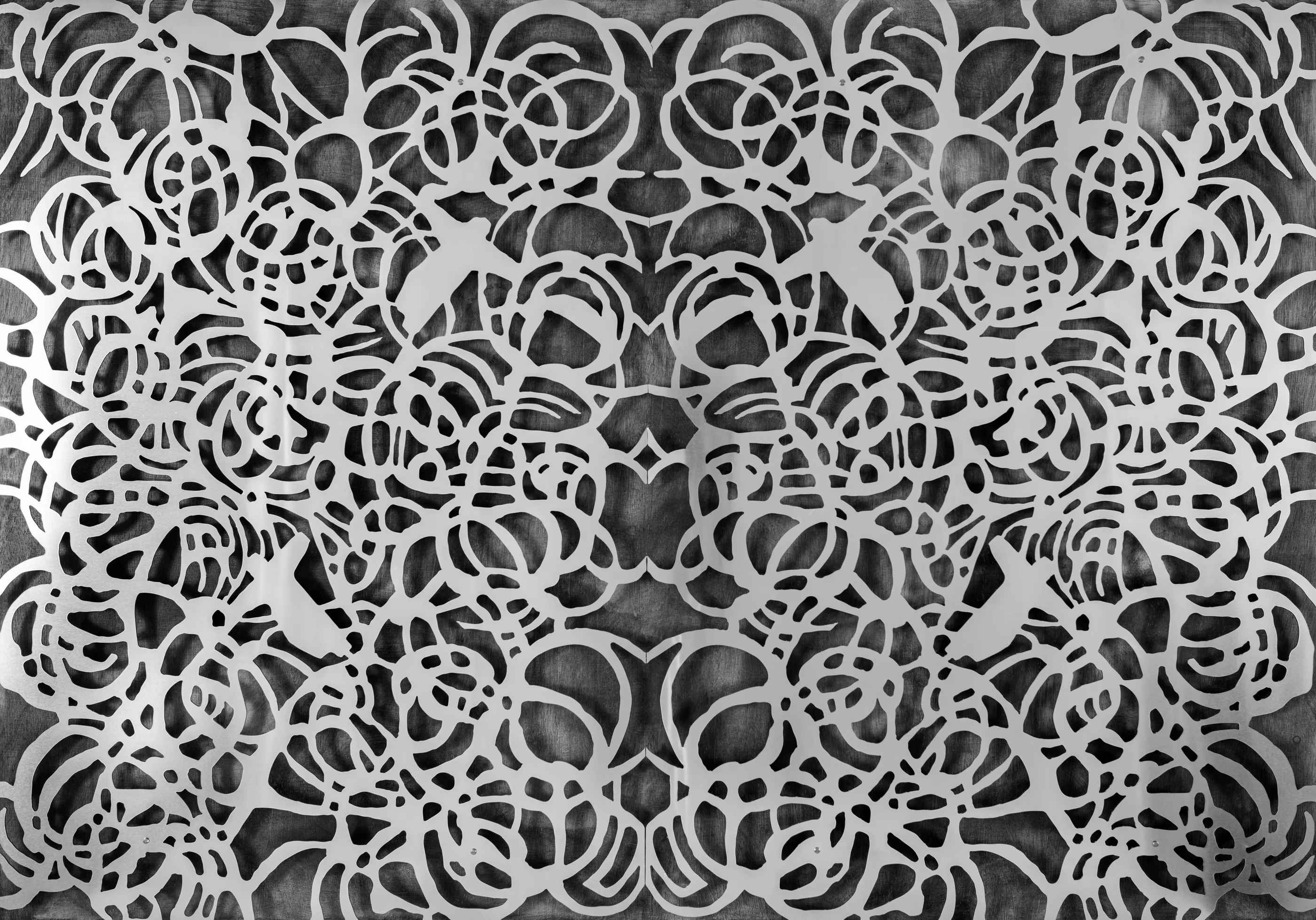
Echoes in Flux
Laser-cut perforated aluminum, wood, acrylic
100 × 150 cm
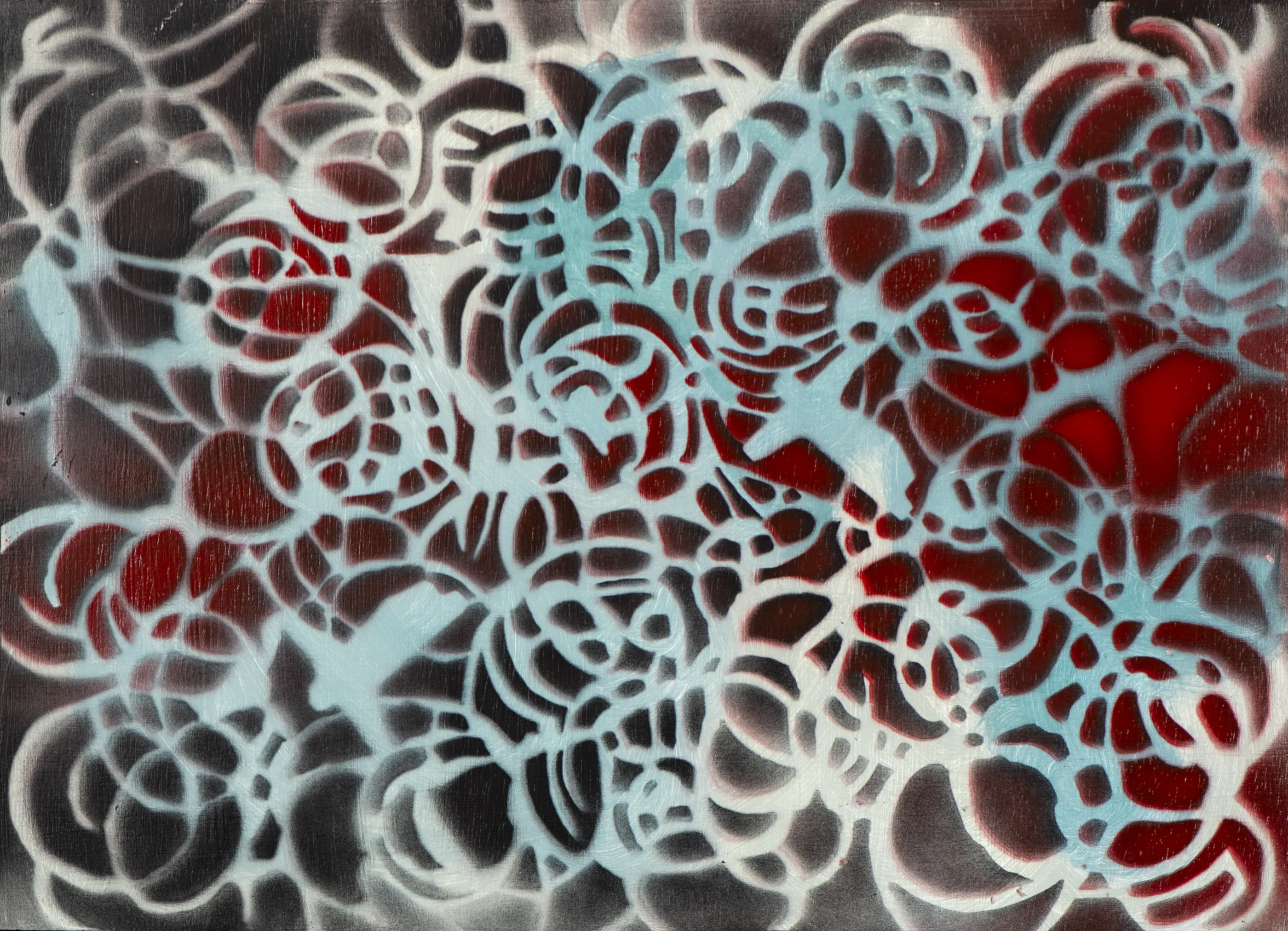
Interbeing
Acrylic on wood
40 × 55.5 cm
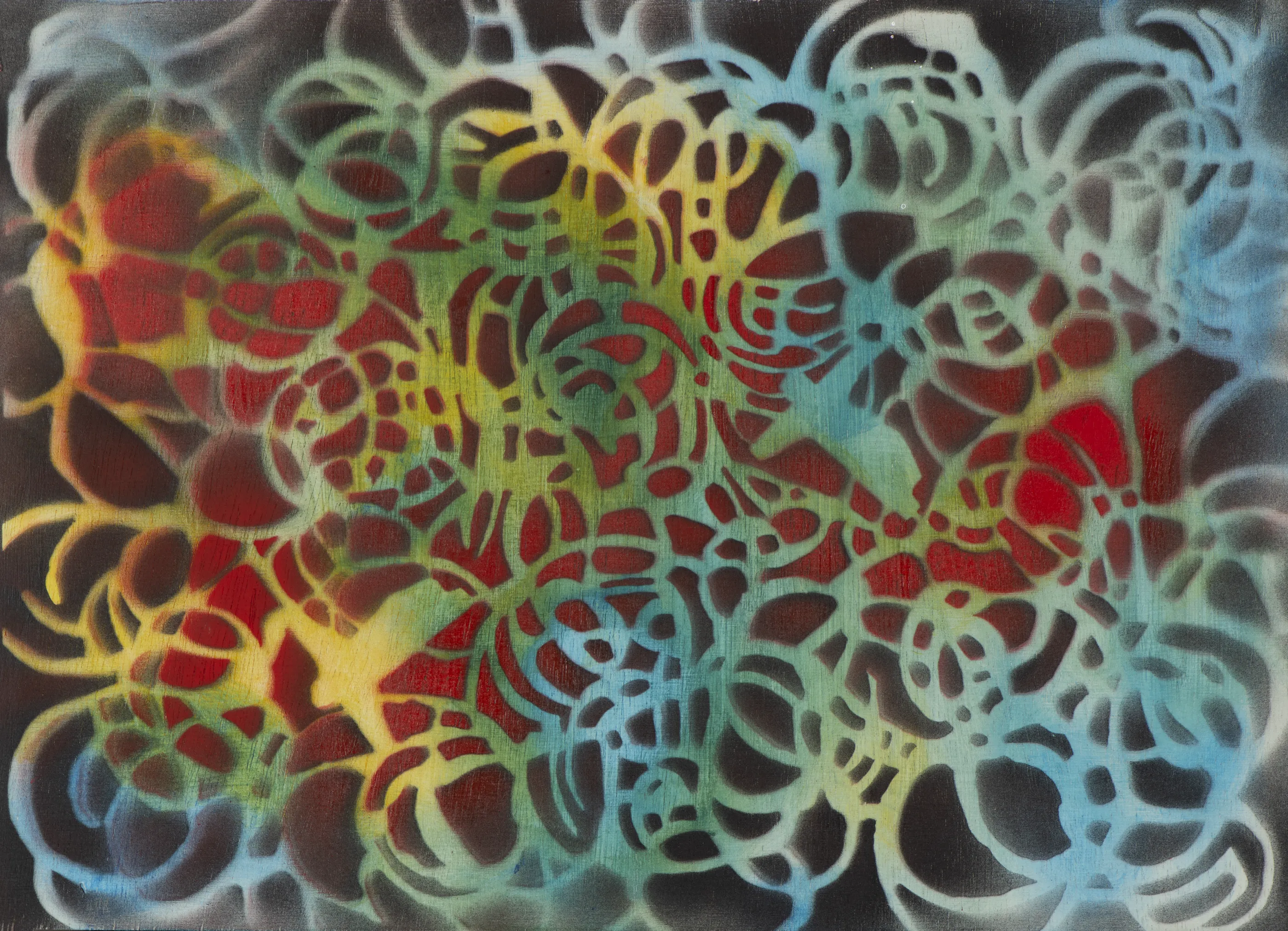
Interbeing
Acrylic on wood
40 × 55.5 cm
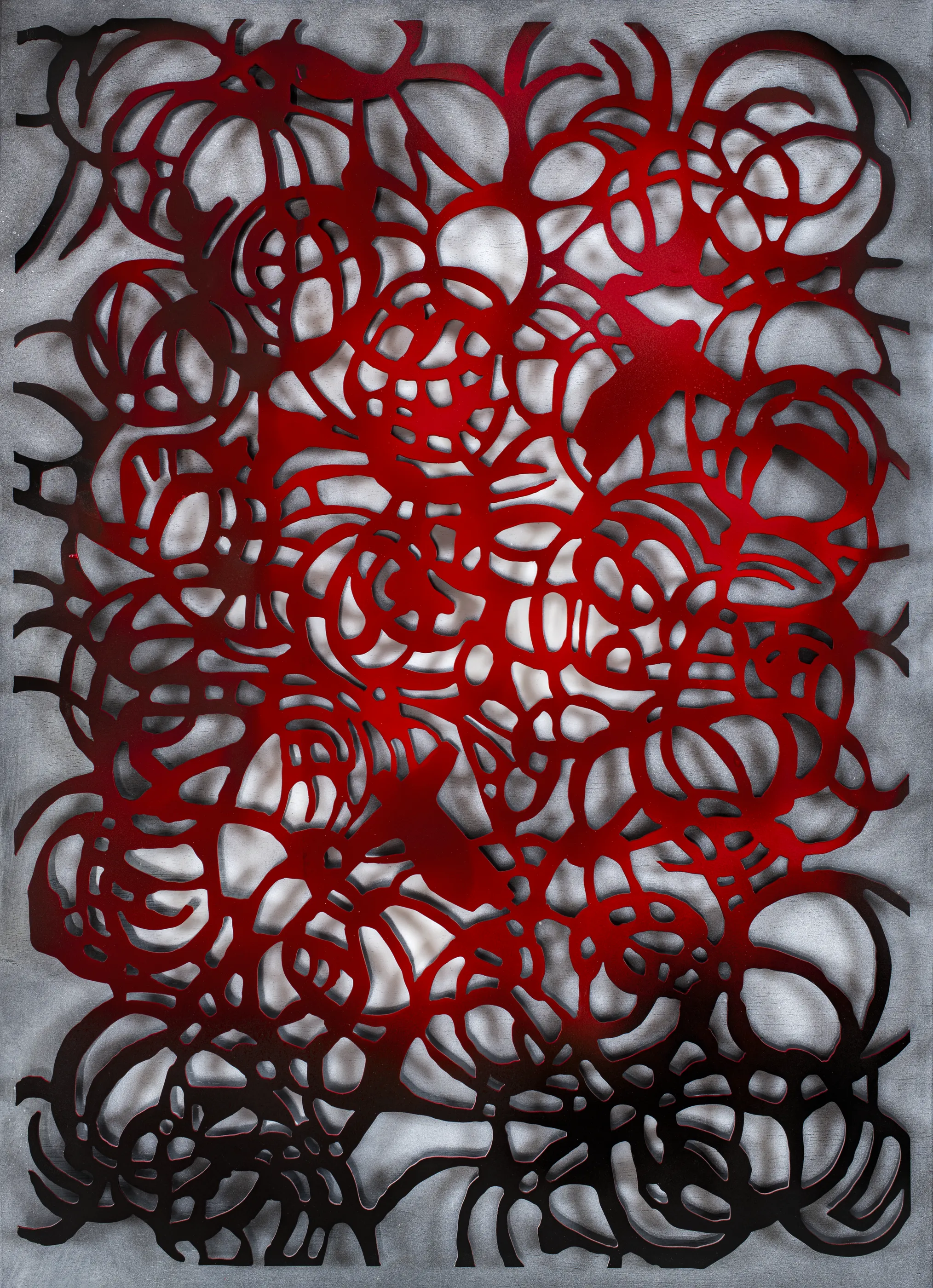
In Flux
Laser-cut perforated aluminum, wood, acrylic
73 × 53 cm
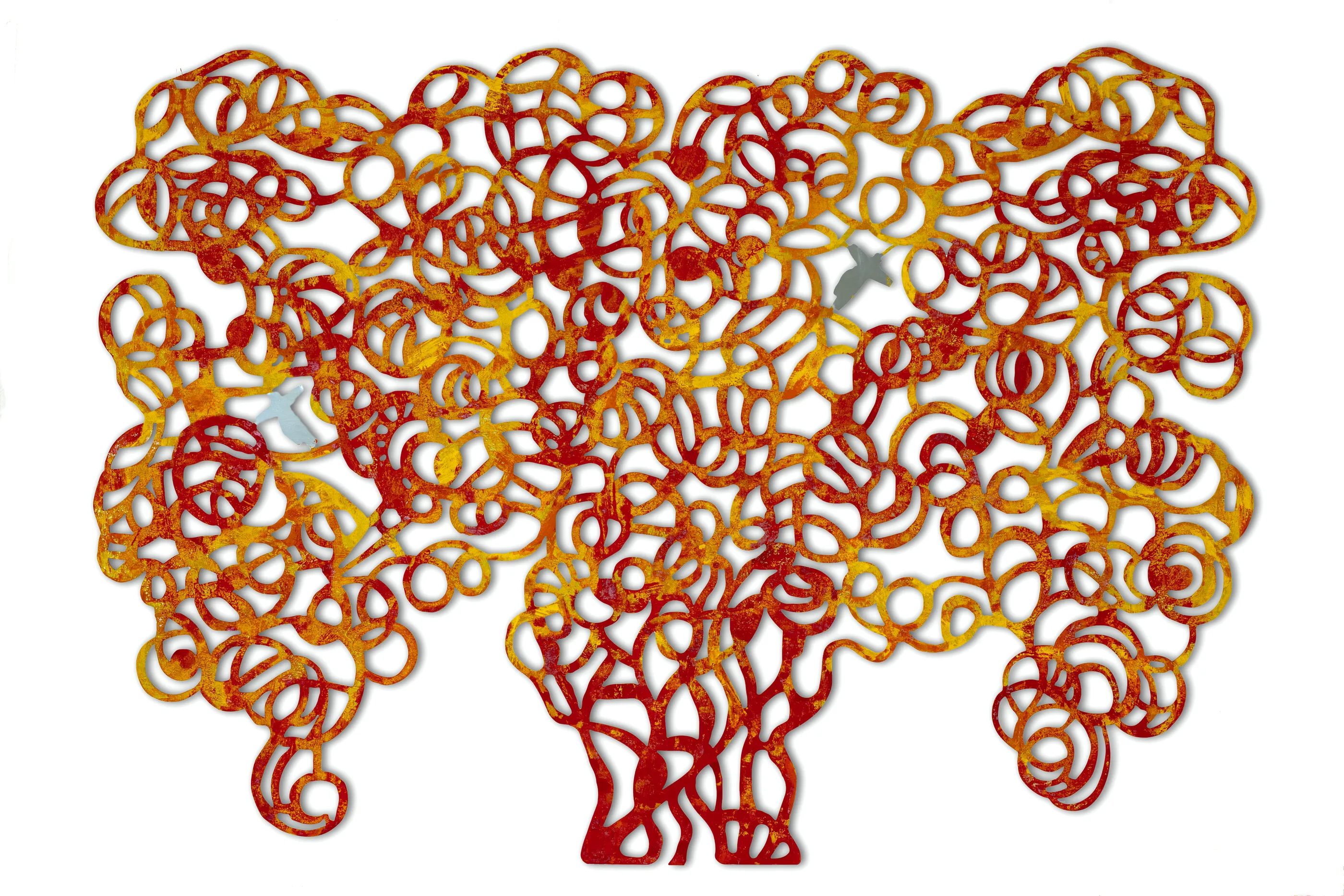
The Life Within
Laser-cut perforated aluminum, wood, acrylic
150 × 210 cm
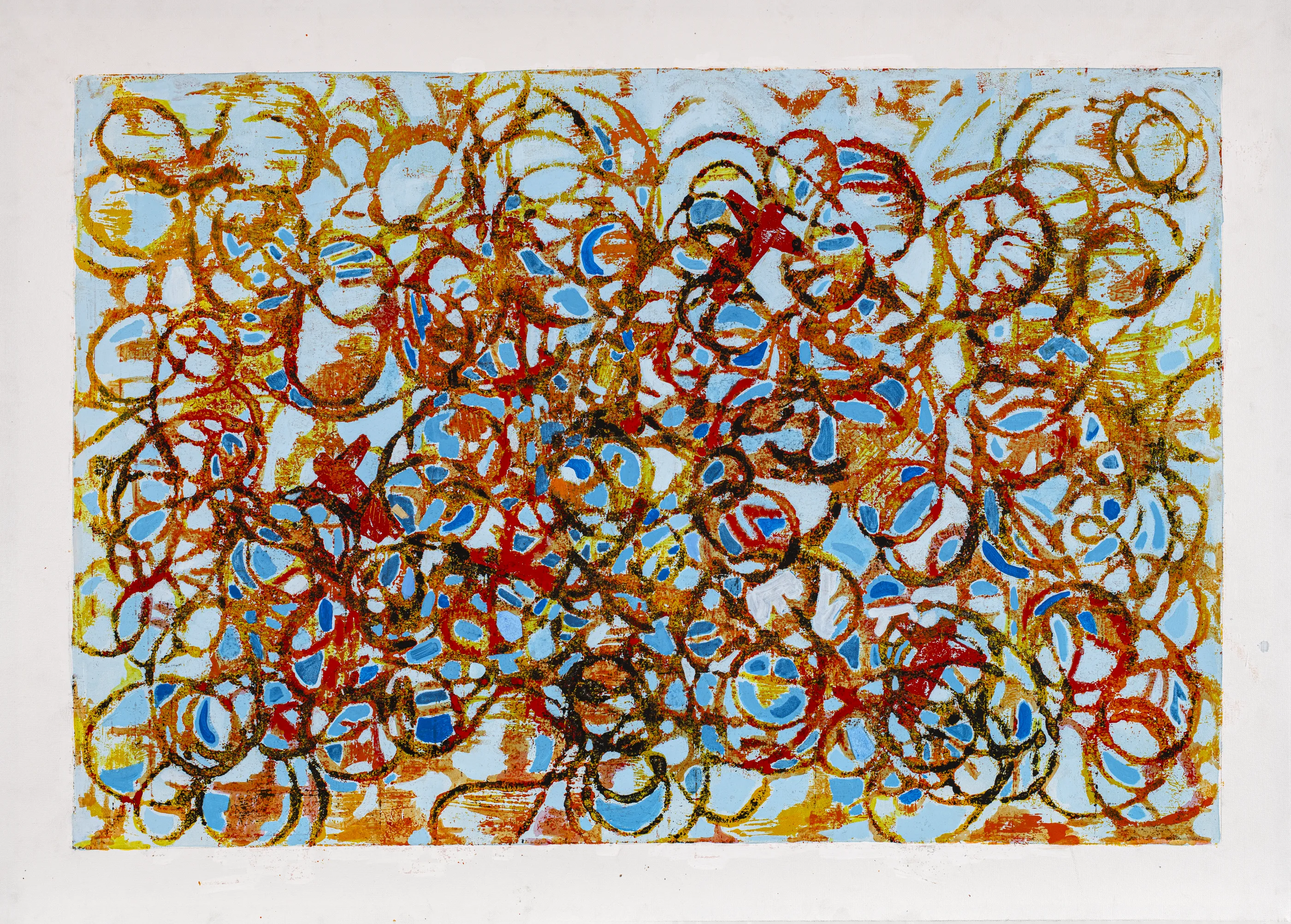
Entangled Field I
Acrylic on canvas
80 × 120 cm
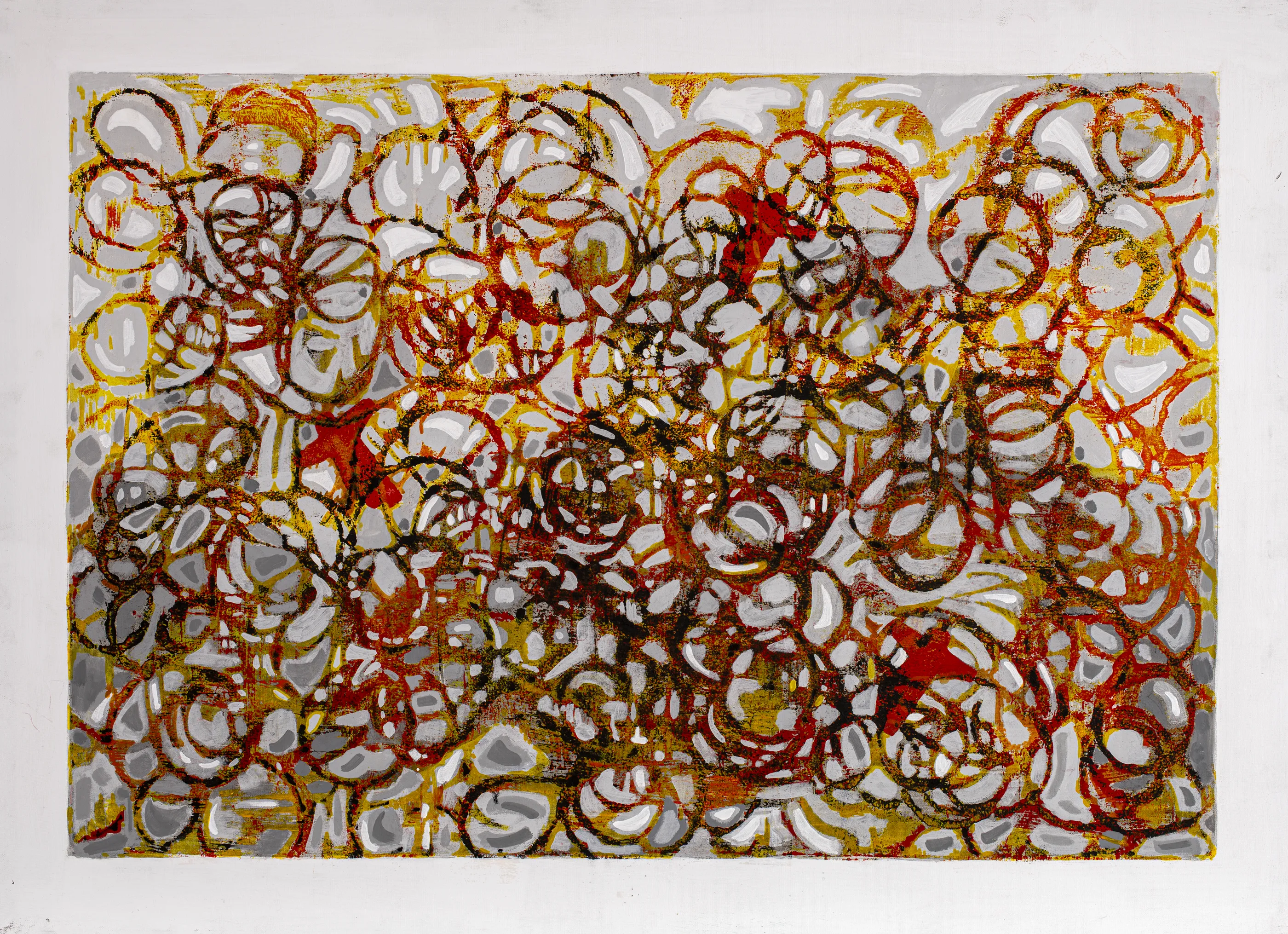
Entangled Field II
Acrylic on canvas
80 × 120 cm
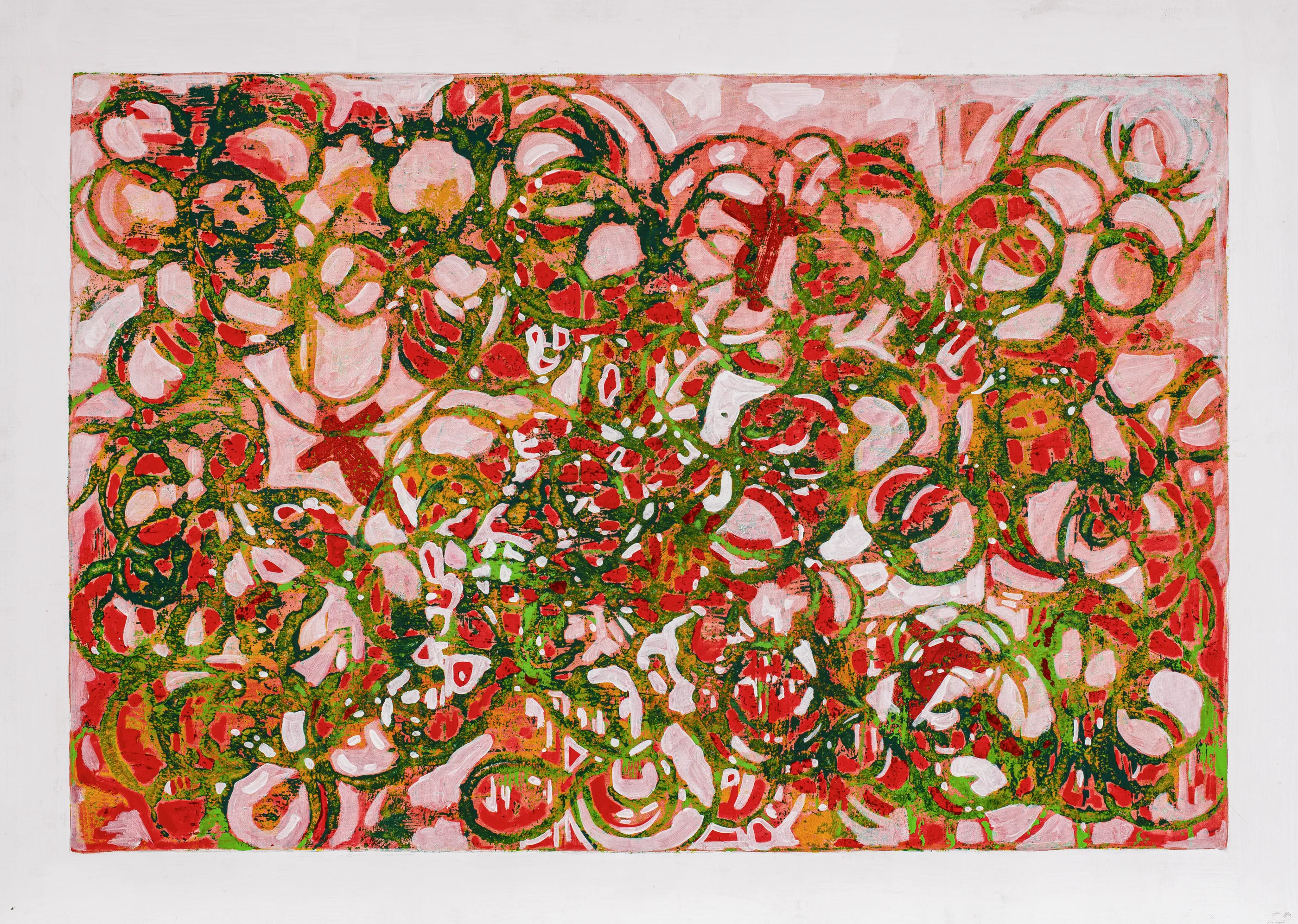
Entangled Field III
Acrylic on canvas
80 × 120 cm
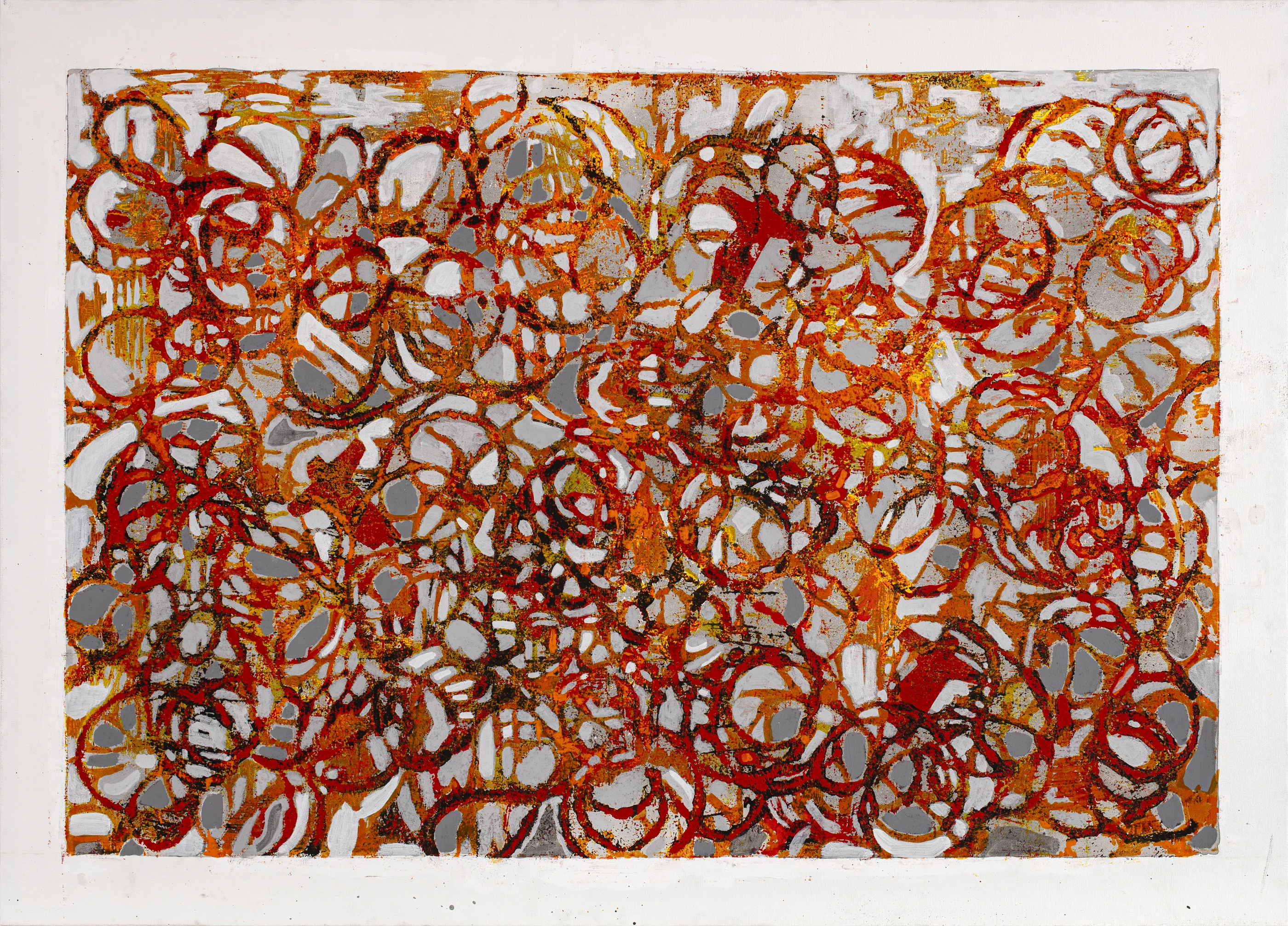
Entangled Field IV
Acrylic on canvas
80 × 120 cm
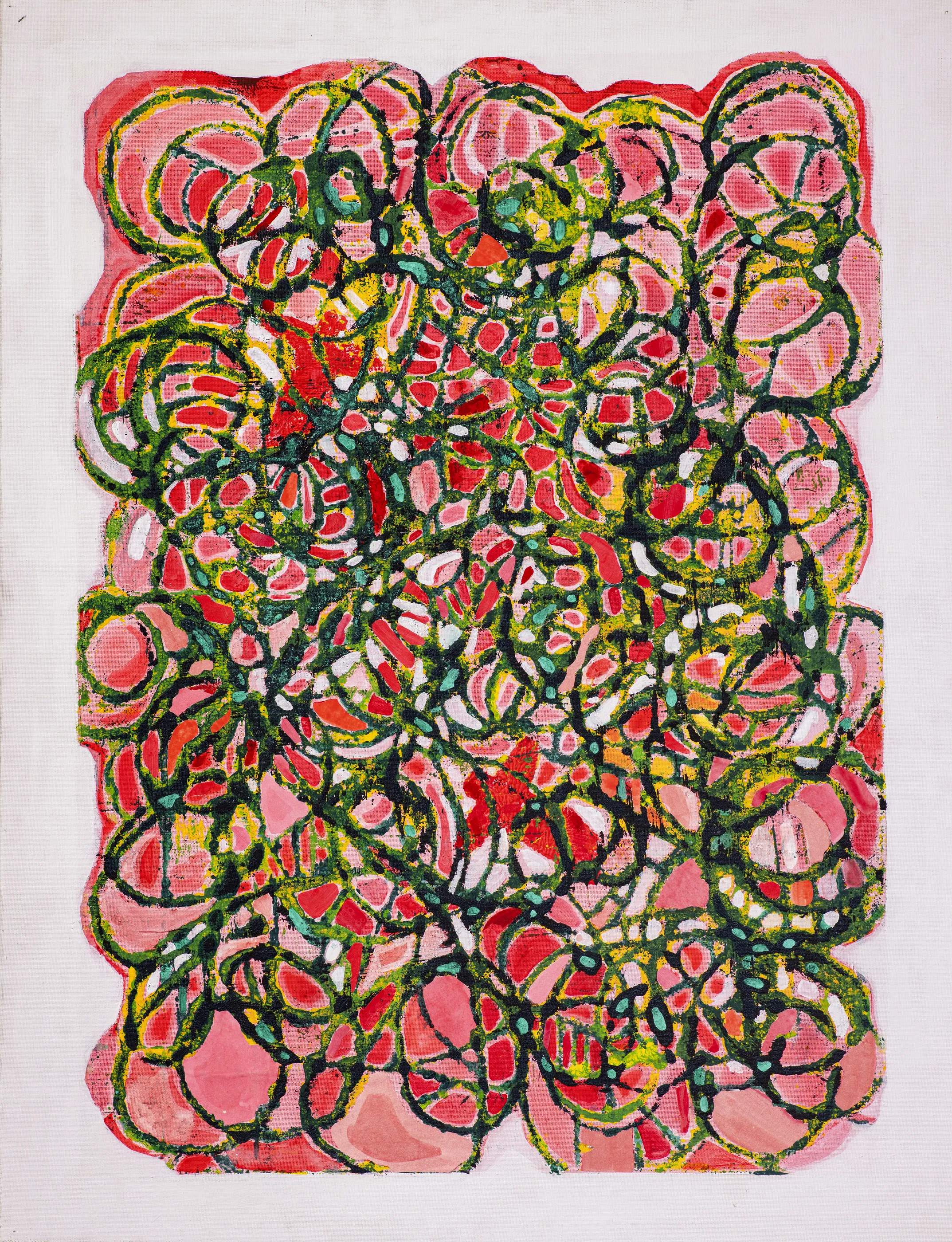
Entangled Field
Acrylic on canvas
80 × 60 cm
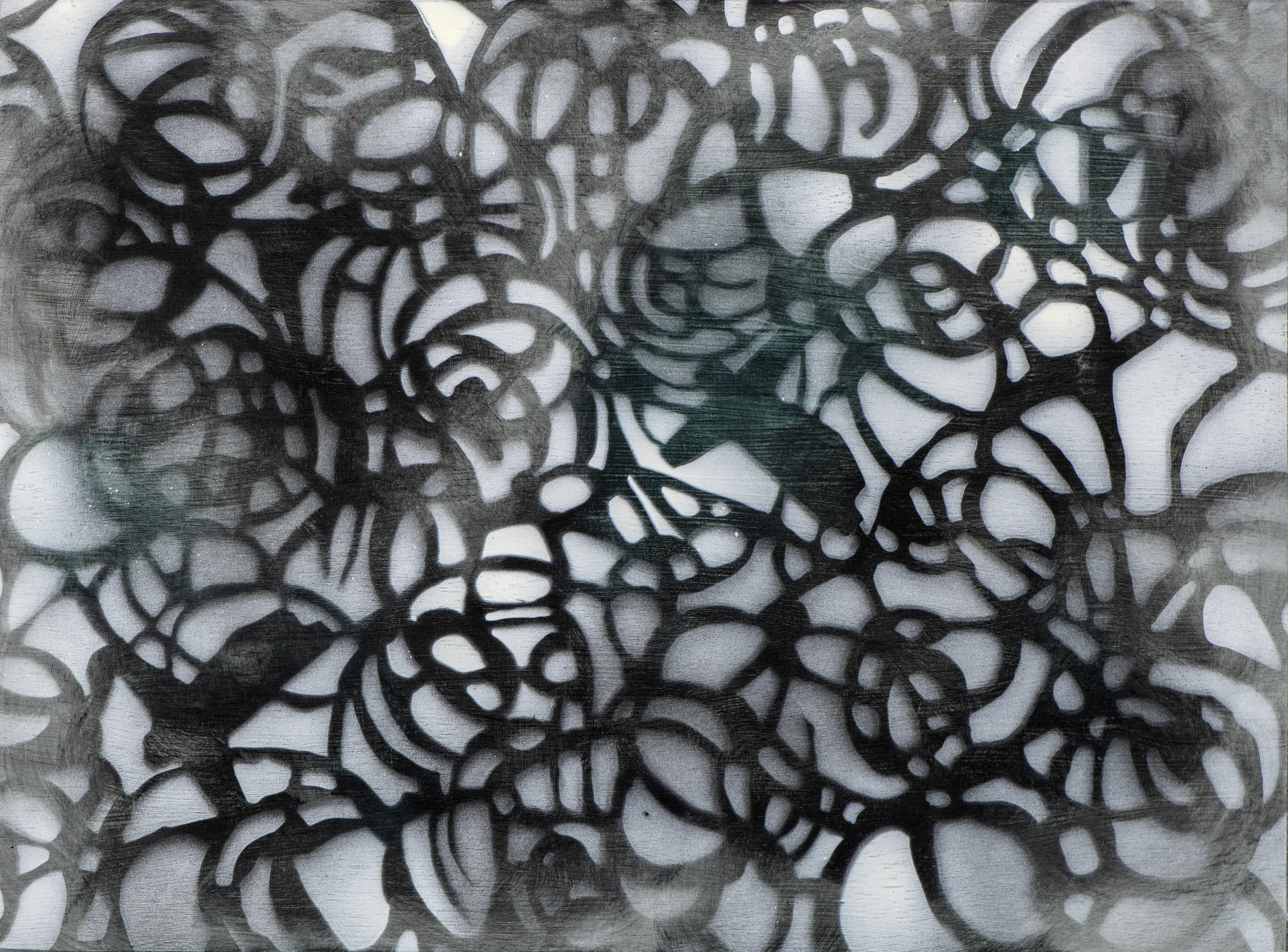
Interbeing
Acrylic on canvas
43 × 60 cm
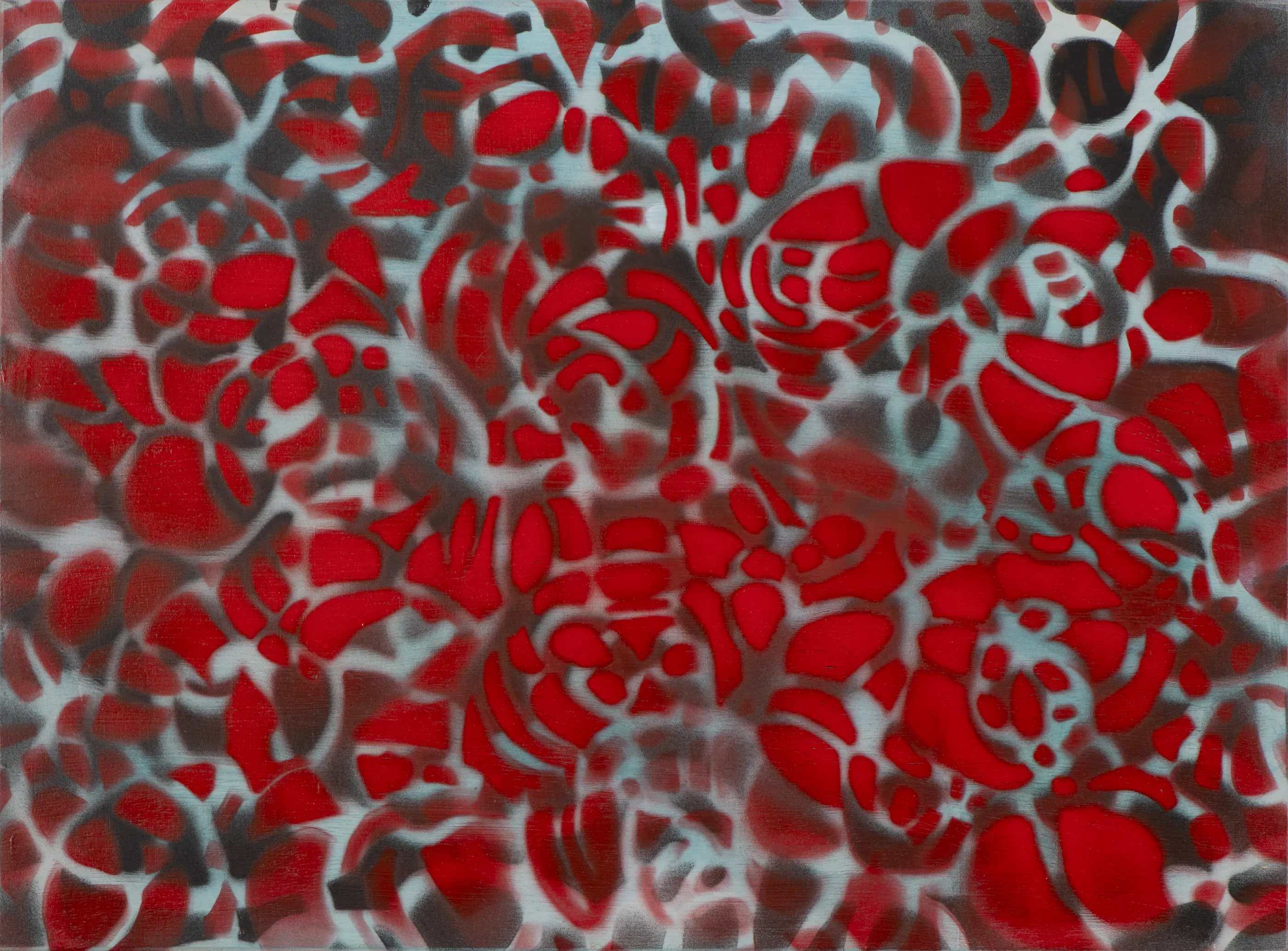
Interbeing
Acrylic on canvas
43 × 60 cm
Extended Body of Work
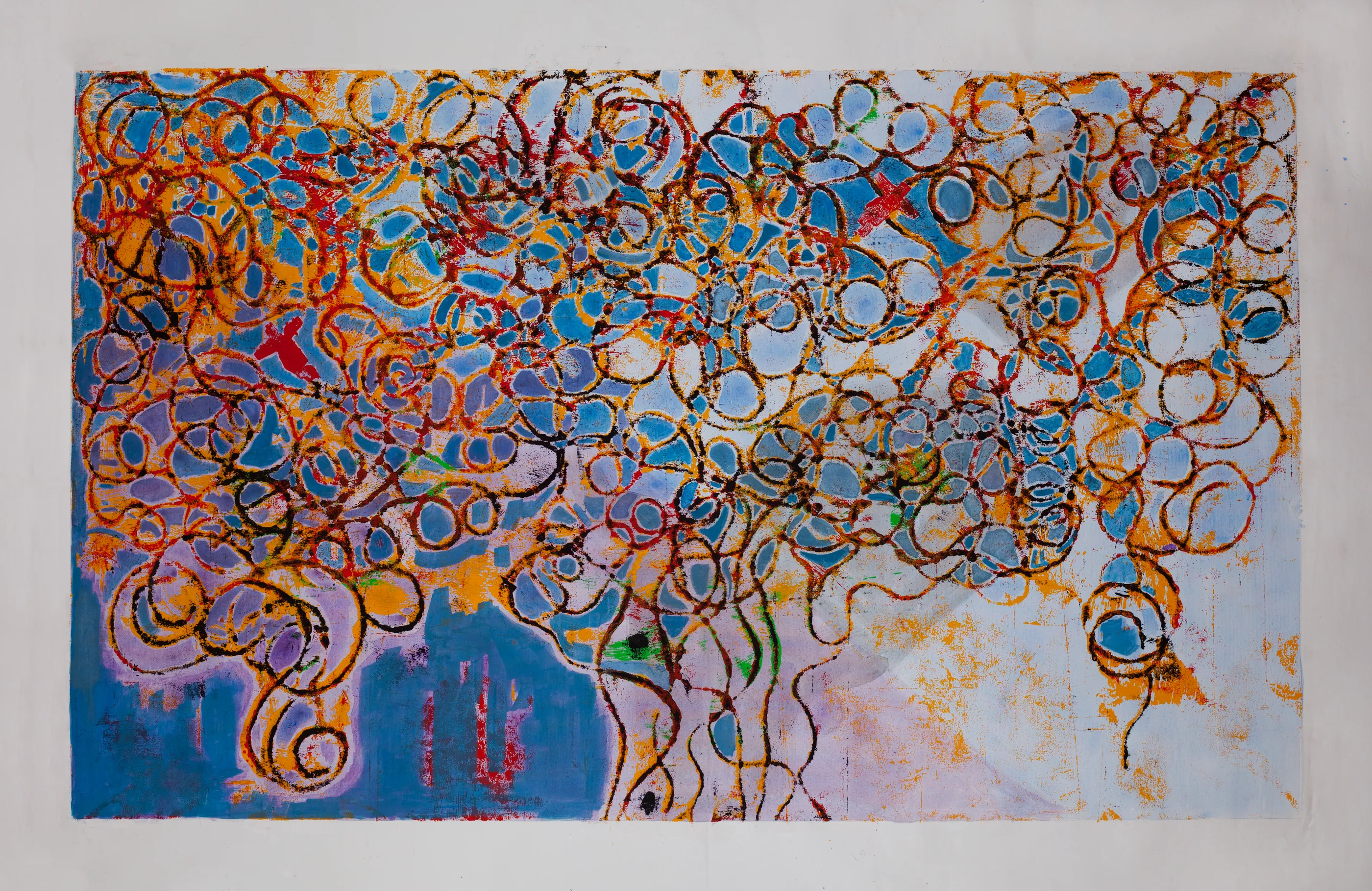
The Life Within
Acrylic on canvas
130 × 200 cm
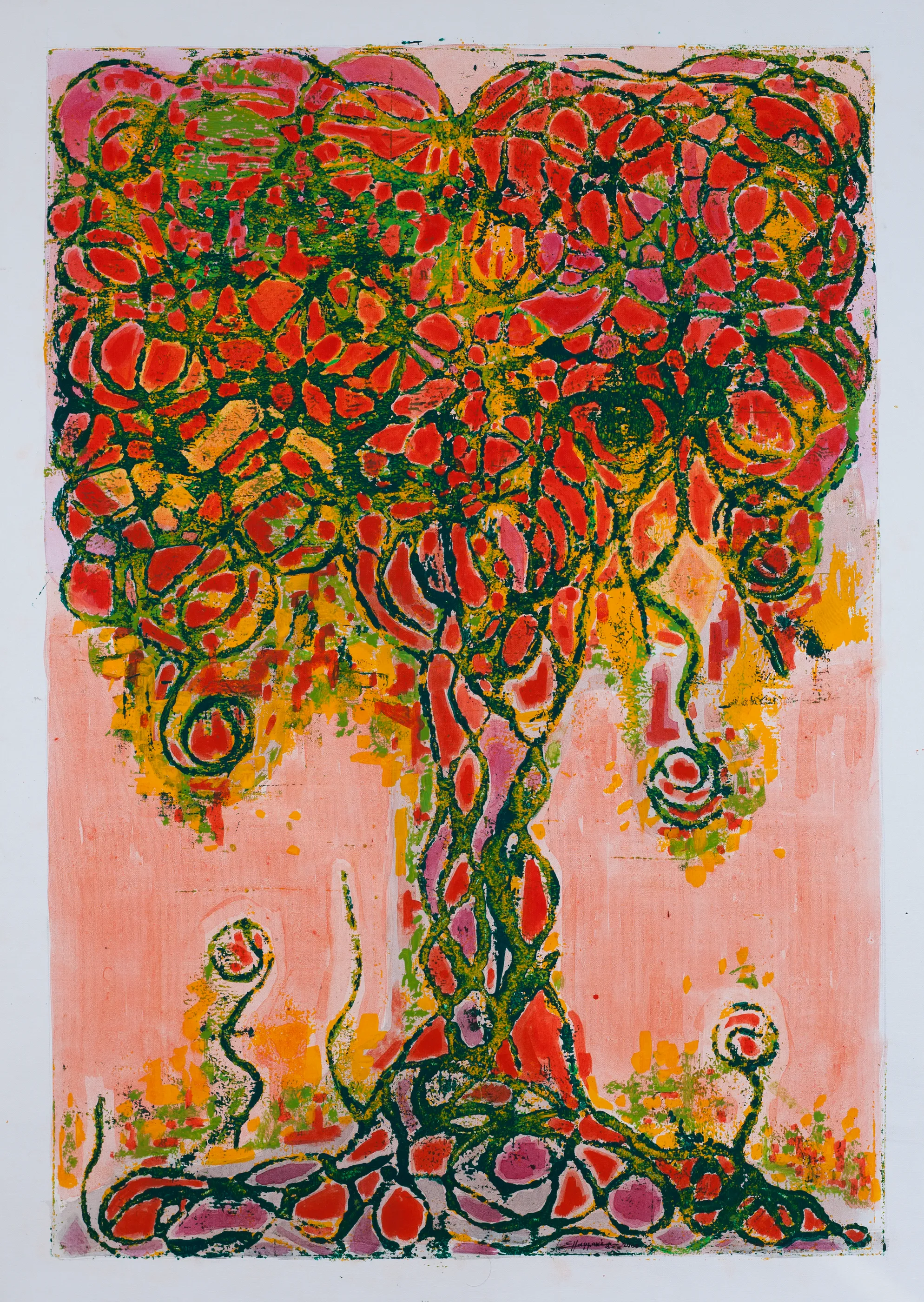
The Life Within
Acrylic on canvas
115 × 80 cm
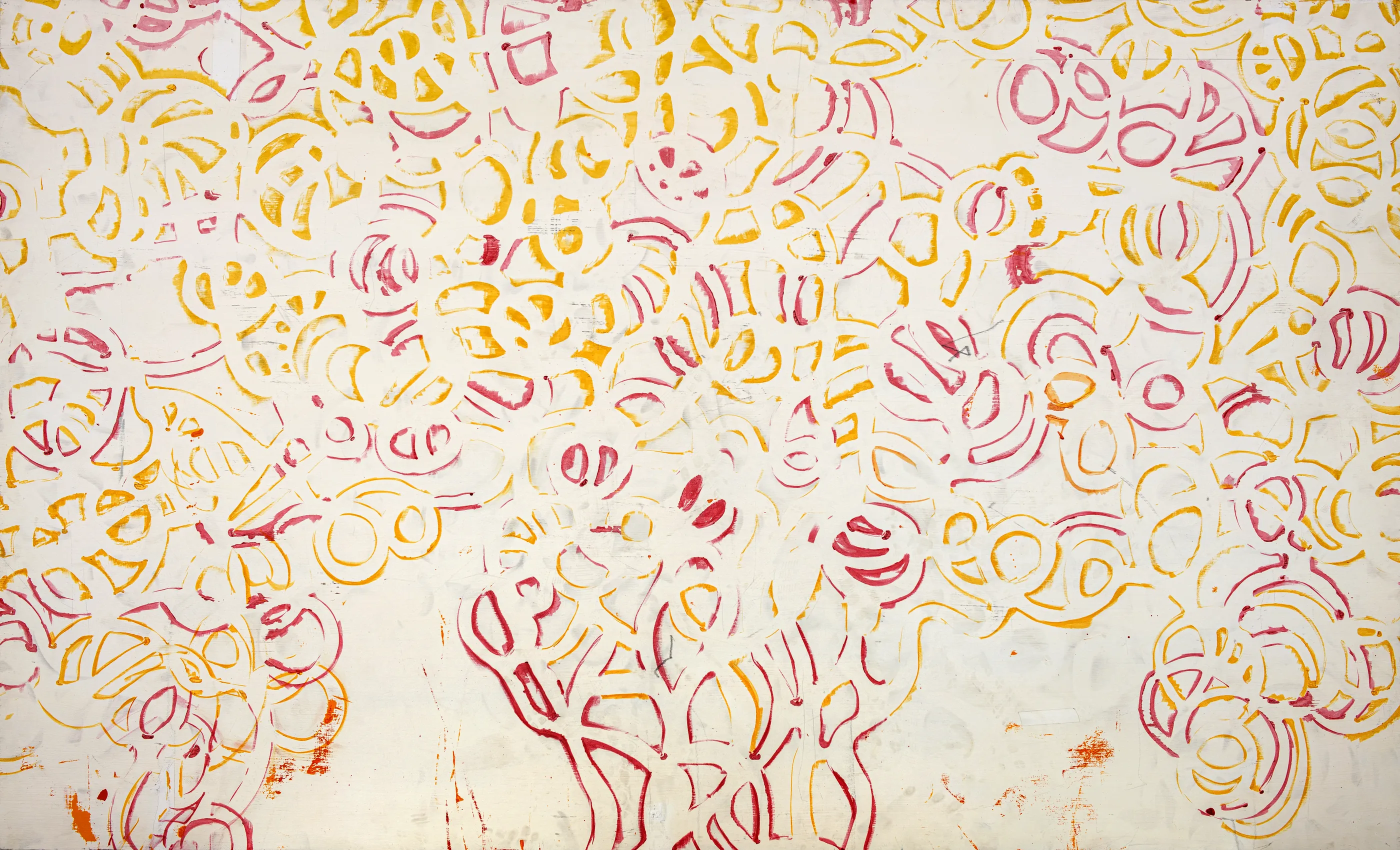
The Life Within
Acrylic on wood
111 × 182 cm
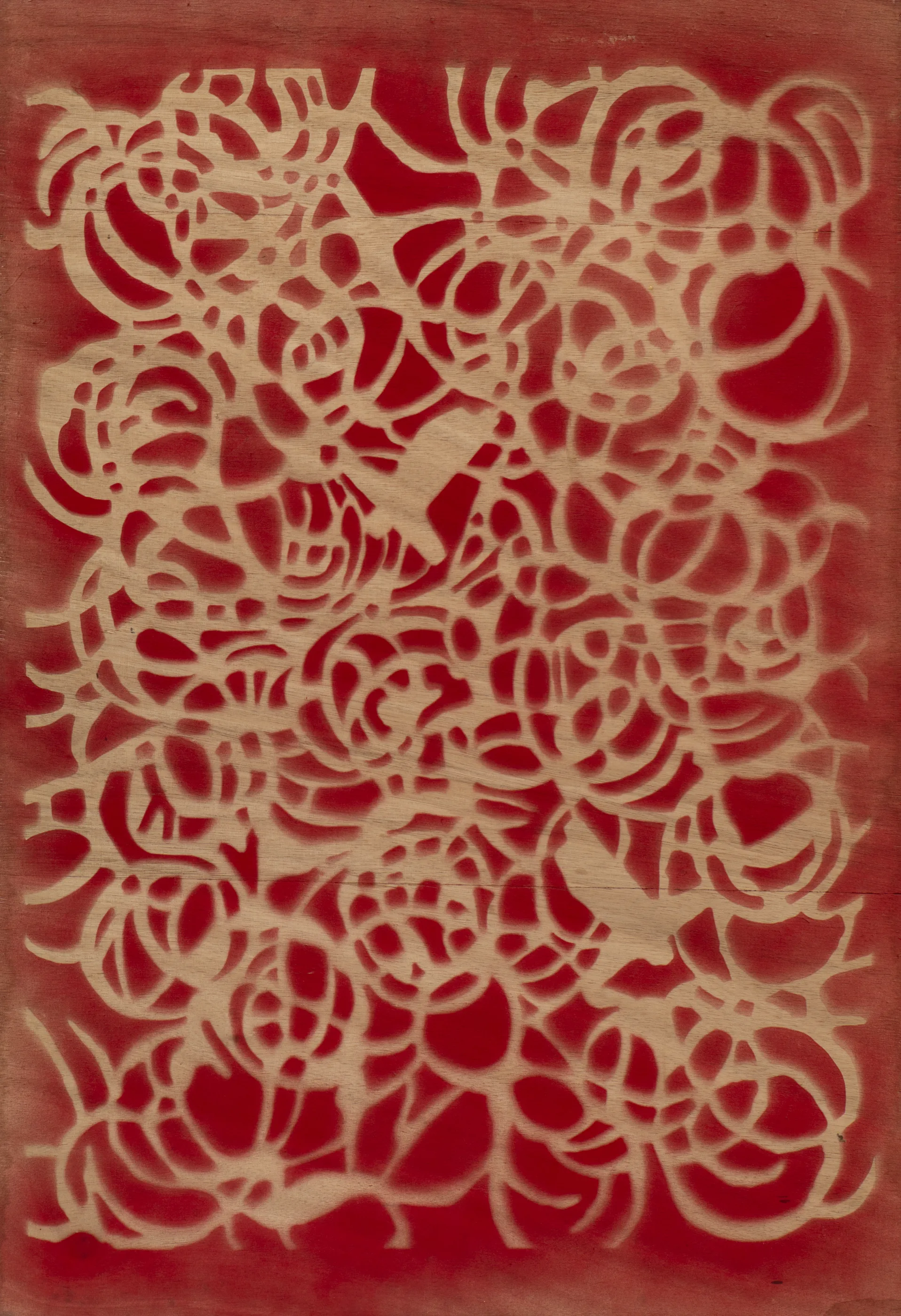
In Flux
Acrylic on wood
78 × 54 cm
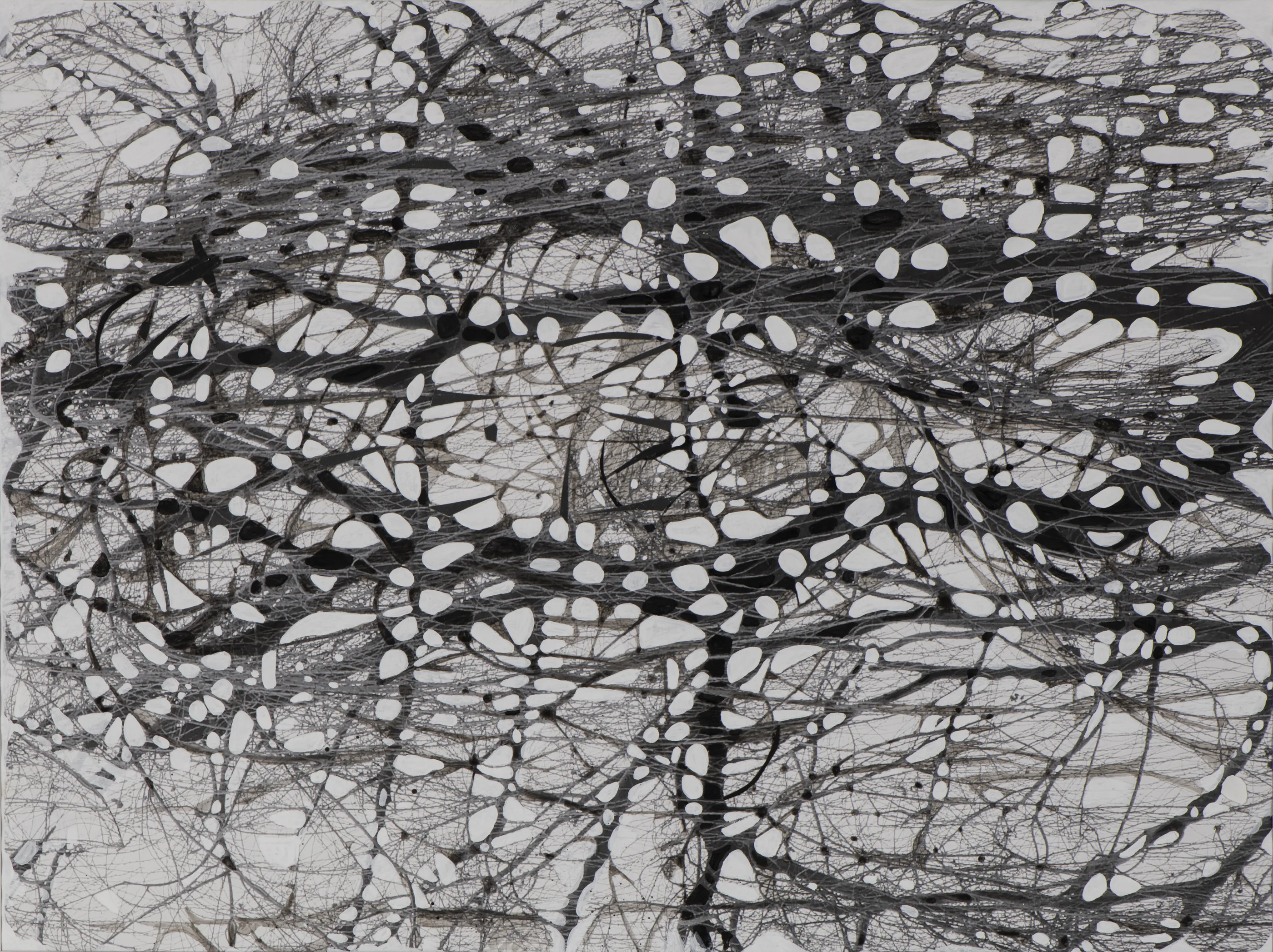
Follow The White Rabbit
Acrylic on paper
52 × 72 cm
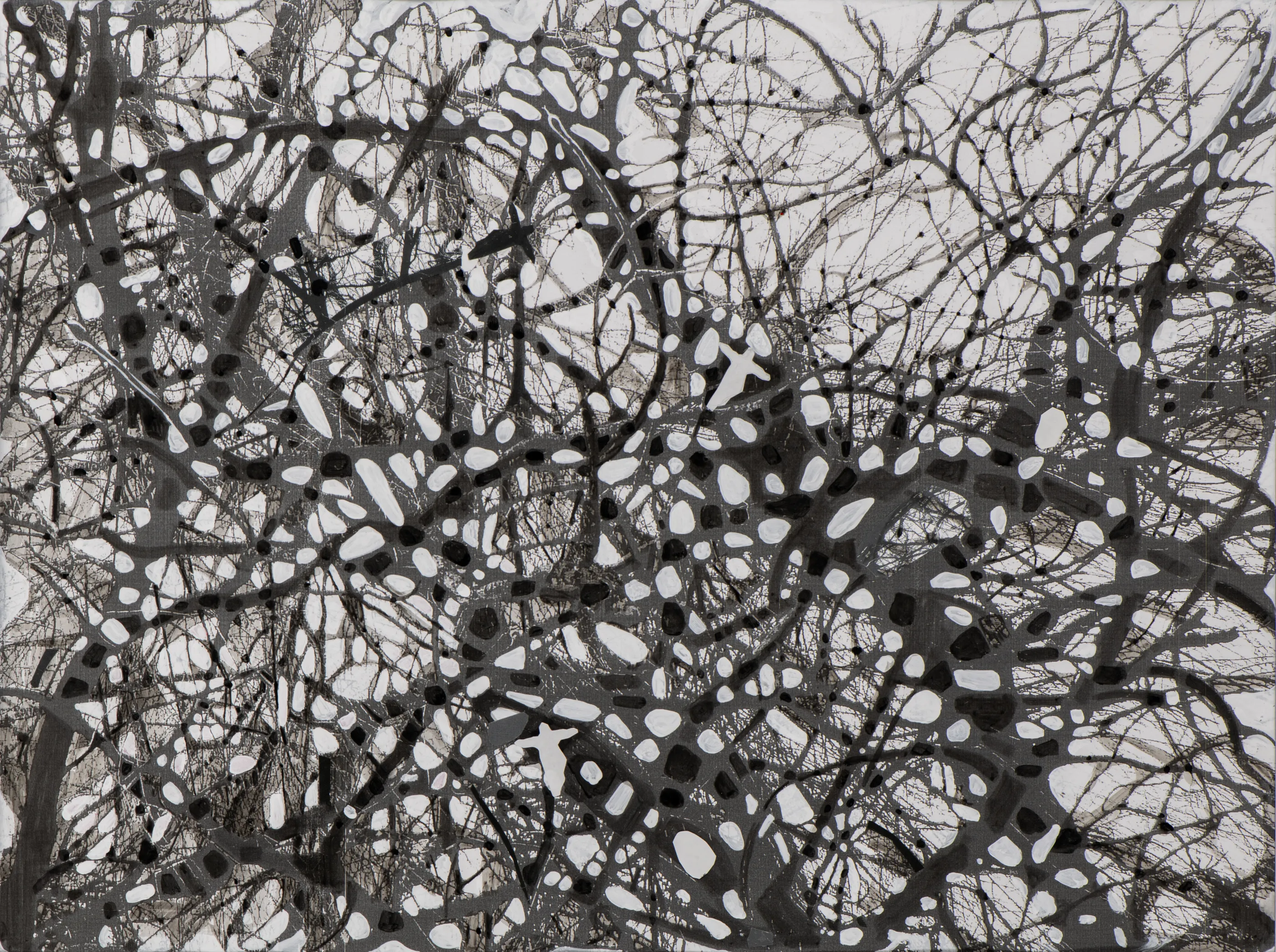
Follow The White Rabbit
Acrylic on paper
52 × 72 cm
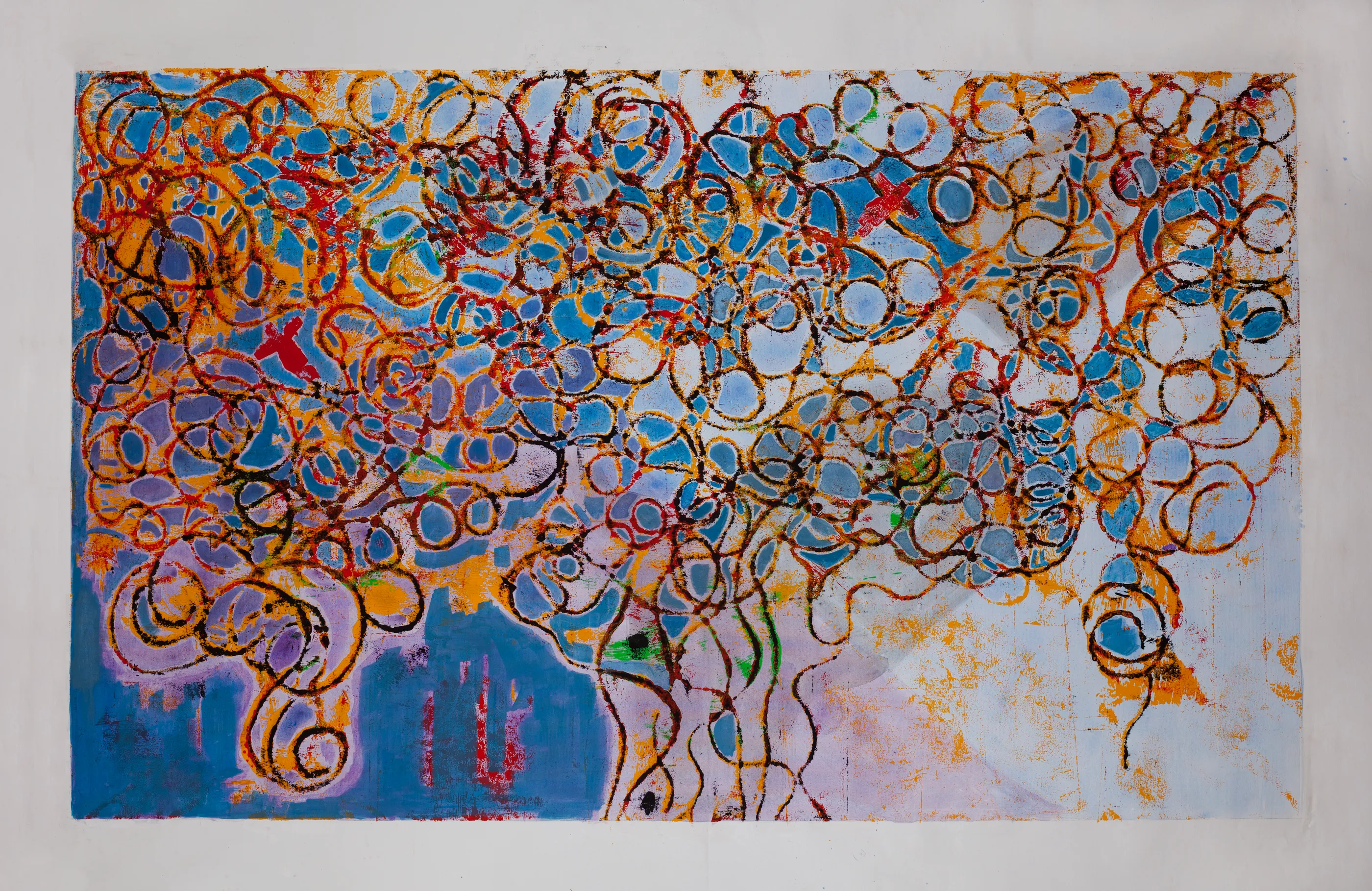
Ιnterbeing
Acrylic on canvas
130 × 200 cm
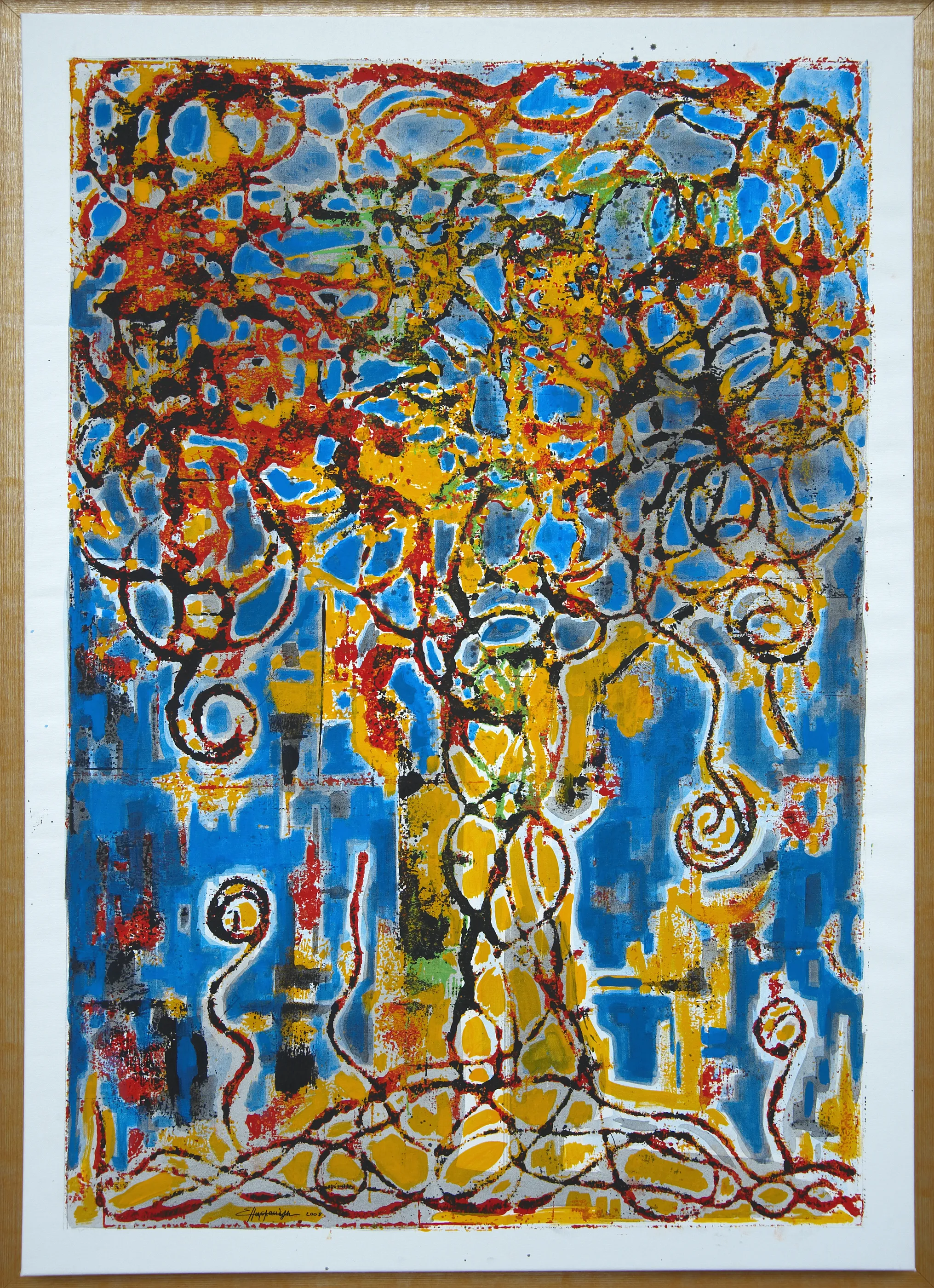
Interbeing
Acrylic on canvas
104 × 71 cm
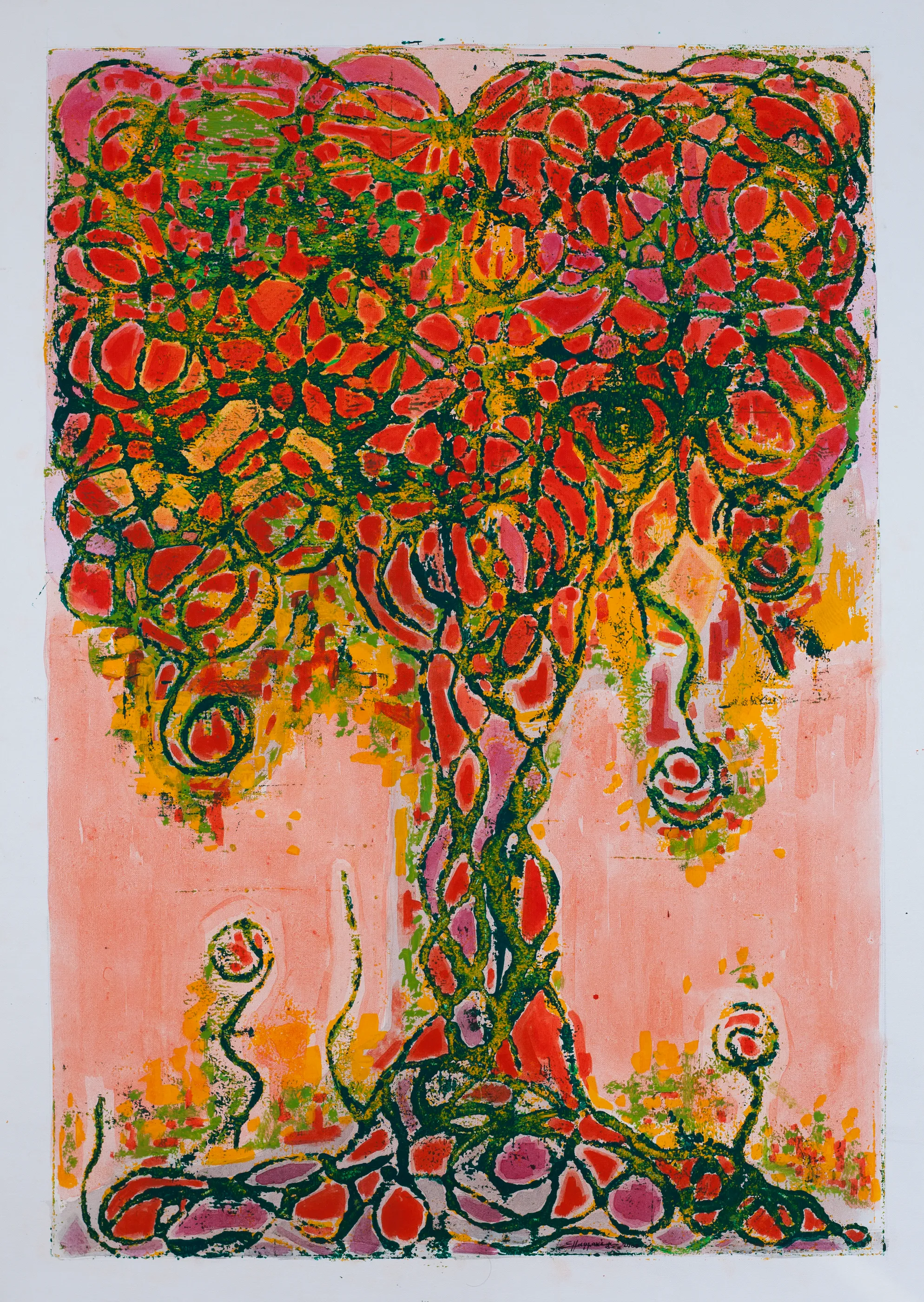
Ιnterbeing
Acrylic on canvas
104 × 71 cm
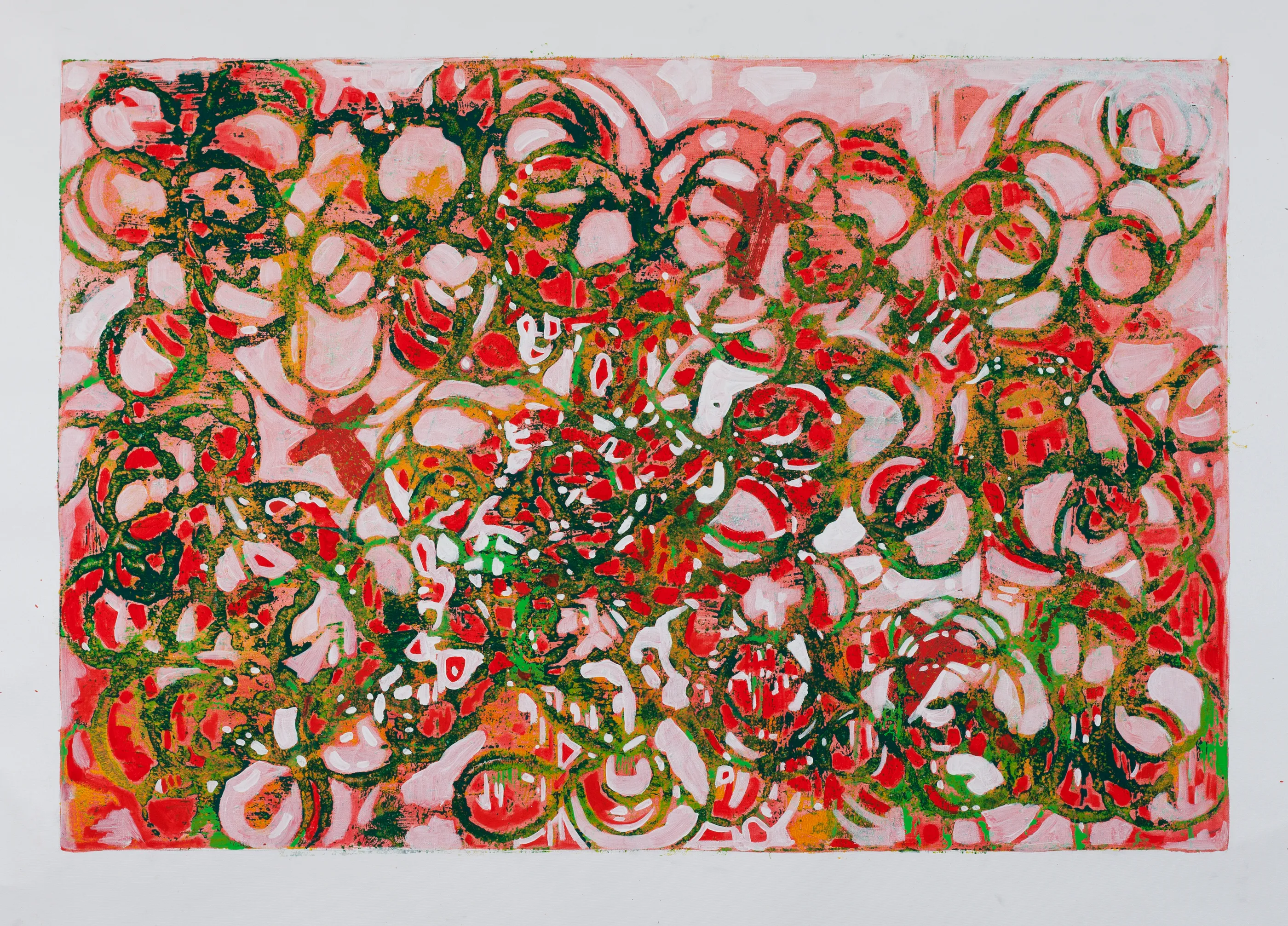
Interbeing
Acrylic on canvas
71 × 104 cm
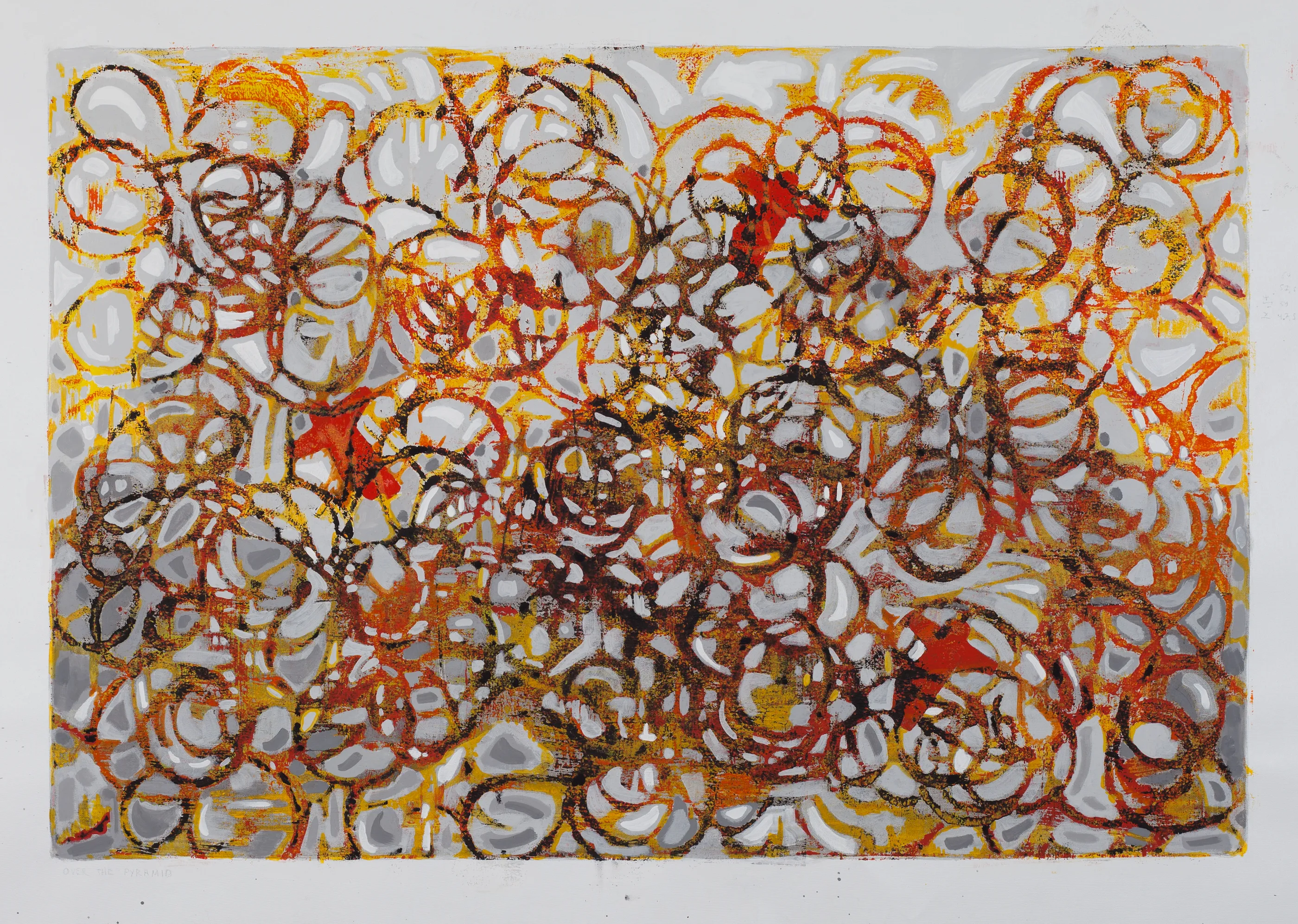
Interbeing
Acrylic on canvas
71 × 104 cm
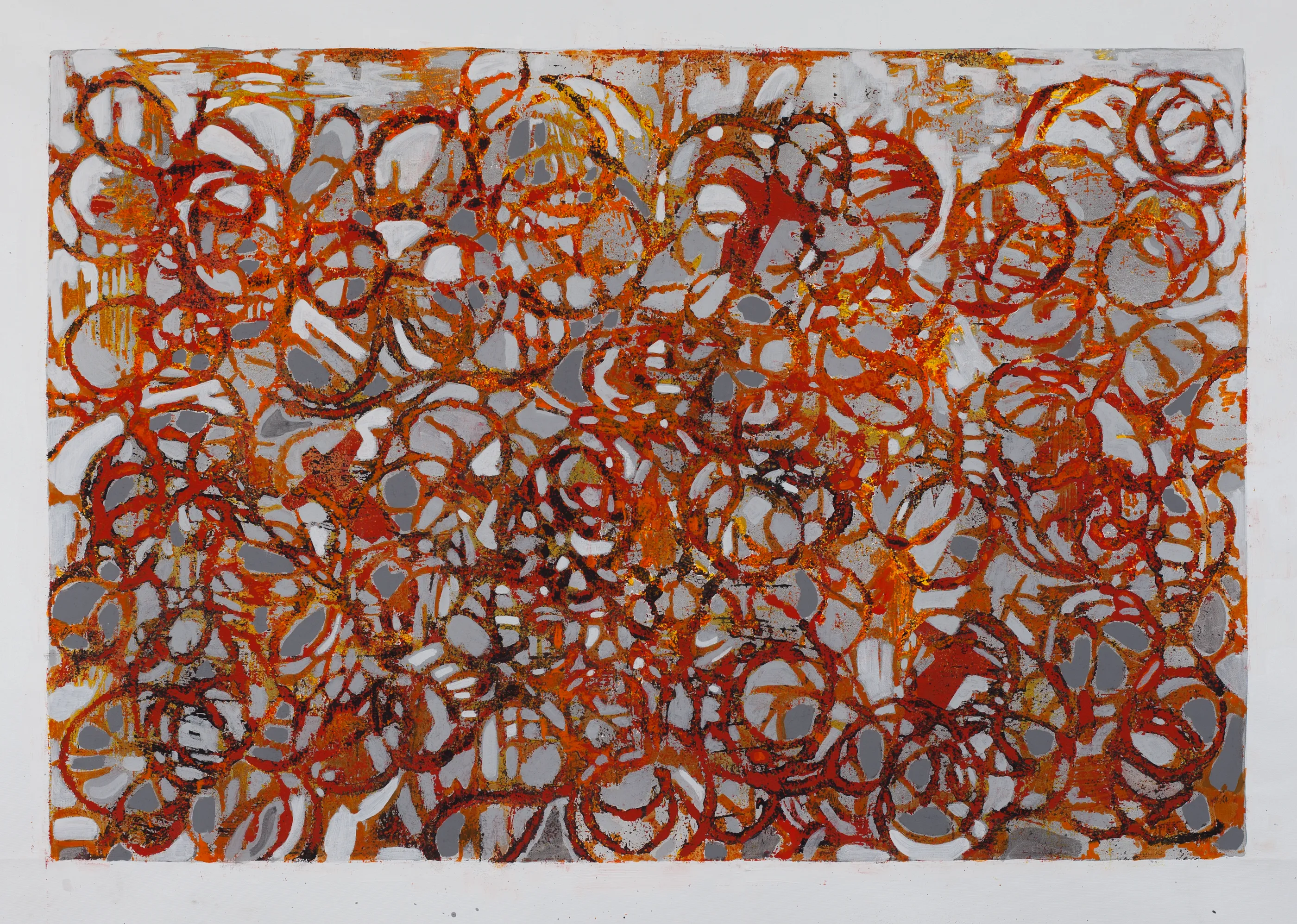
Interbeing
Acrylic on canvas
71 × 104 cm
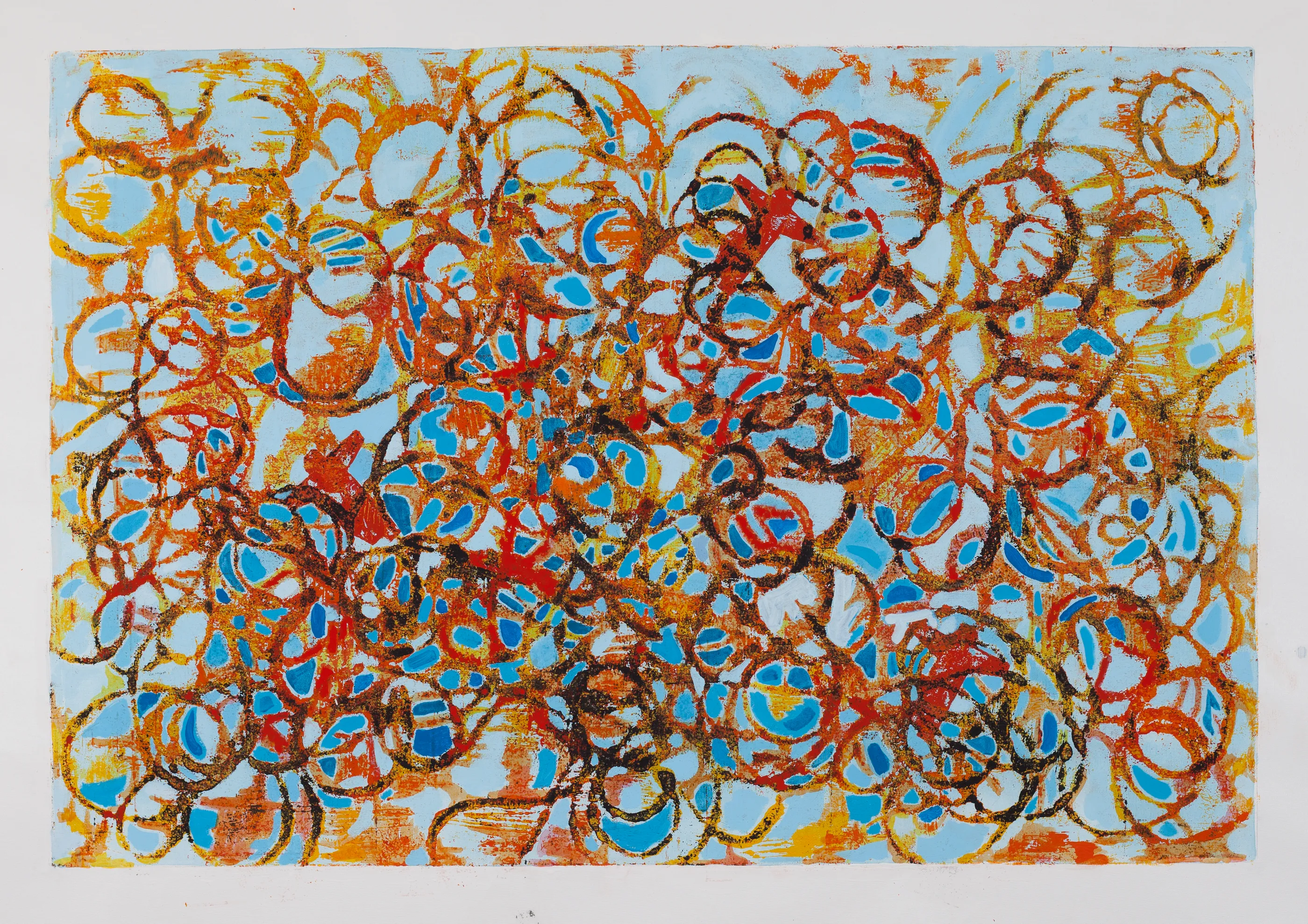
Interbeing
Acrylic on canvas
71 × 104 cm
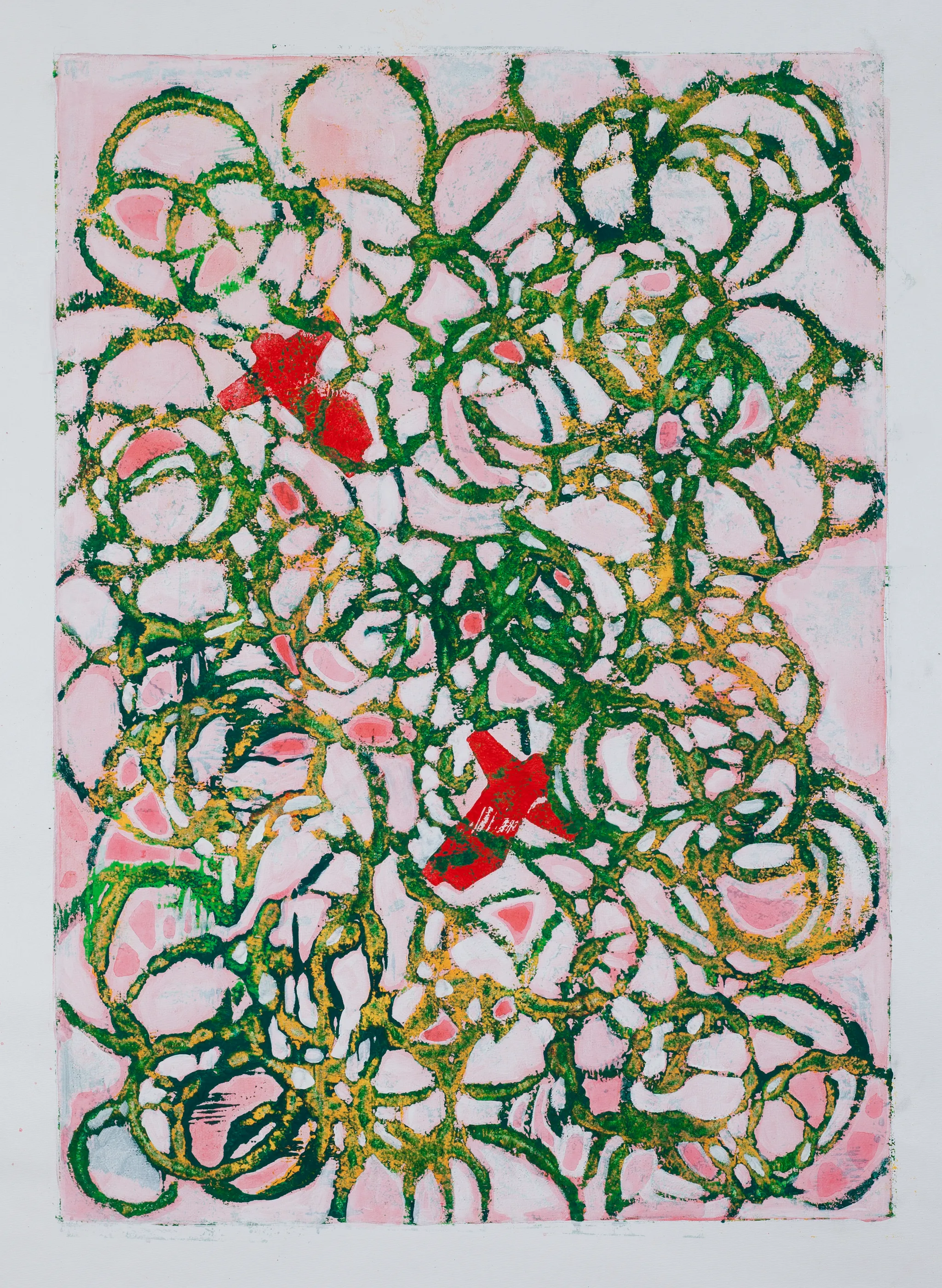
Interbeing
Acrylic on canvas
72 × 52 cm
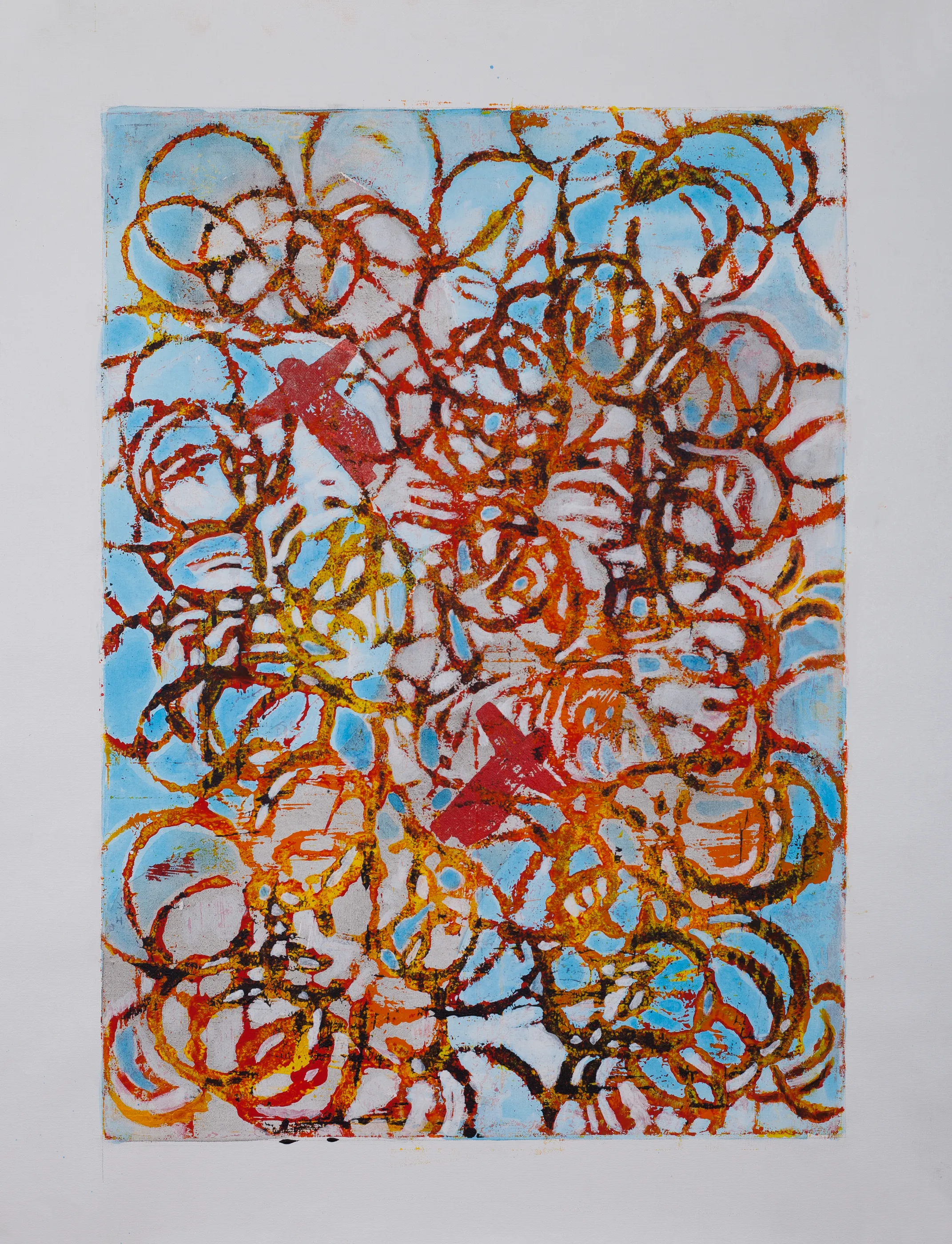
Interbeing
Acrylic on canvas
72 × 52 cm
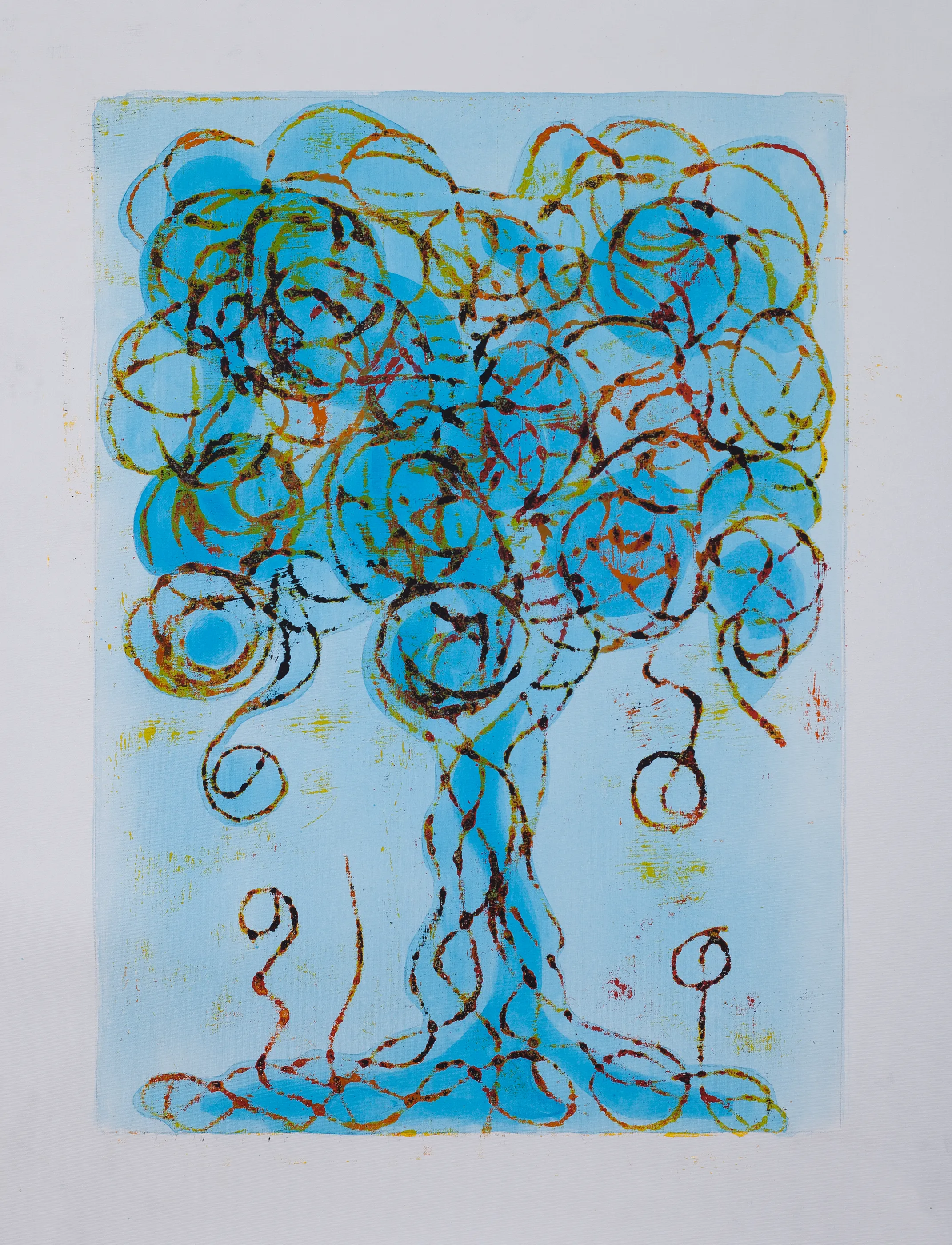
Interbeing
Acrylic on canvas
72 × 52 cm
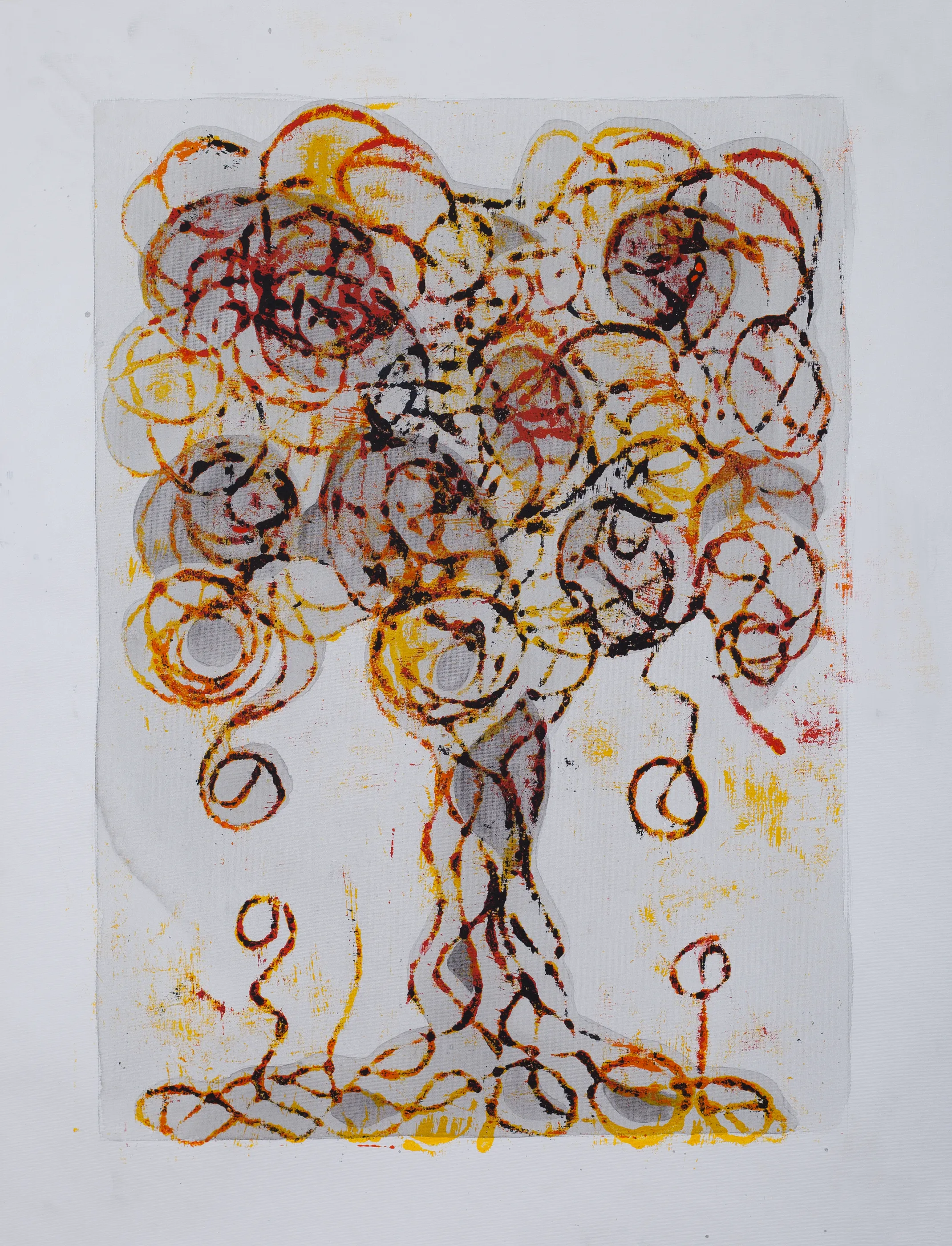
Interbeing
Acrylic on canvas
72 × 52 cm
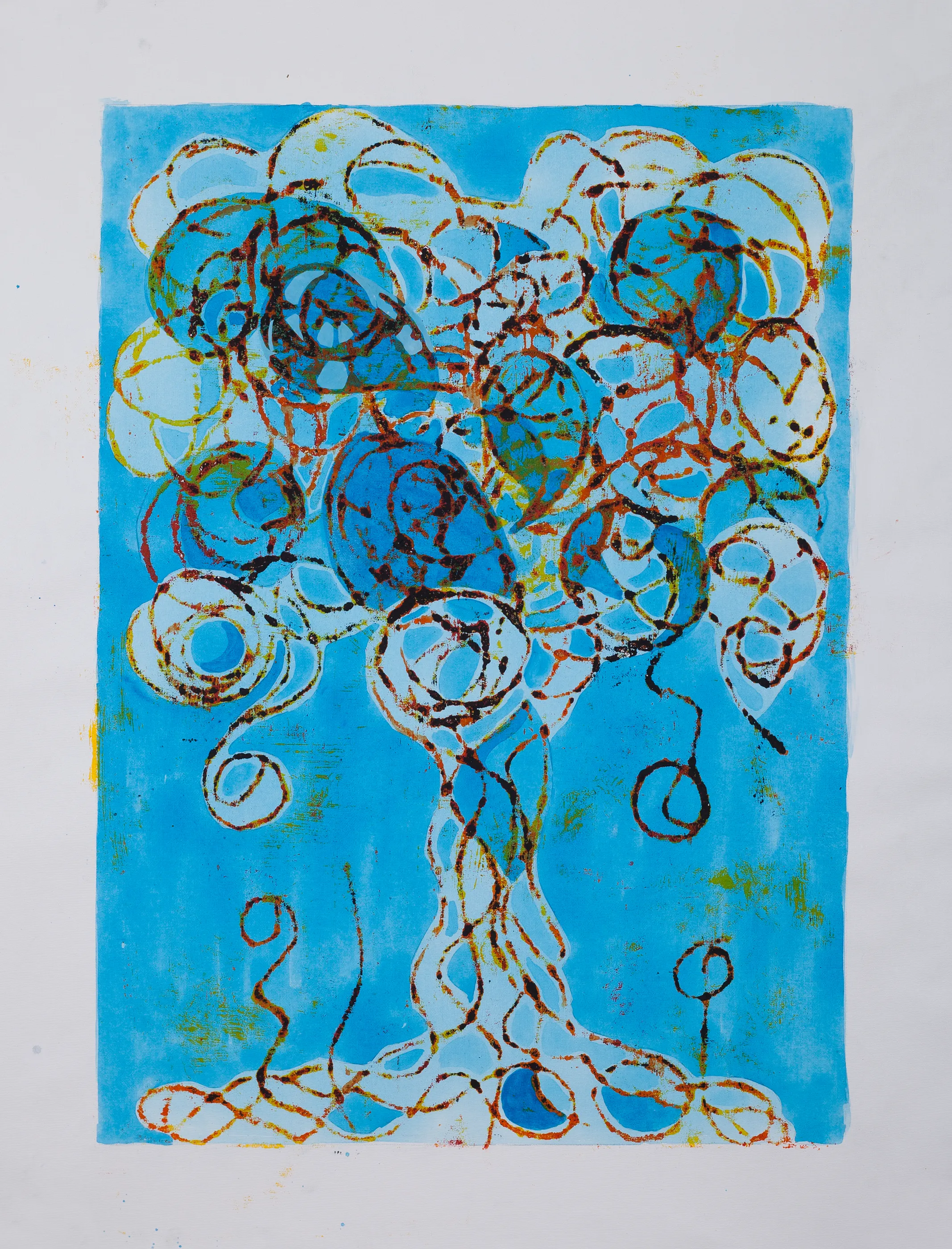
Interbeing
Acrylic on canvas
72 × 52 cm
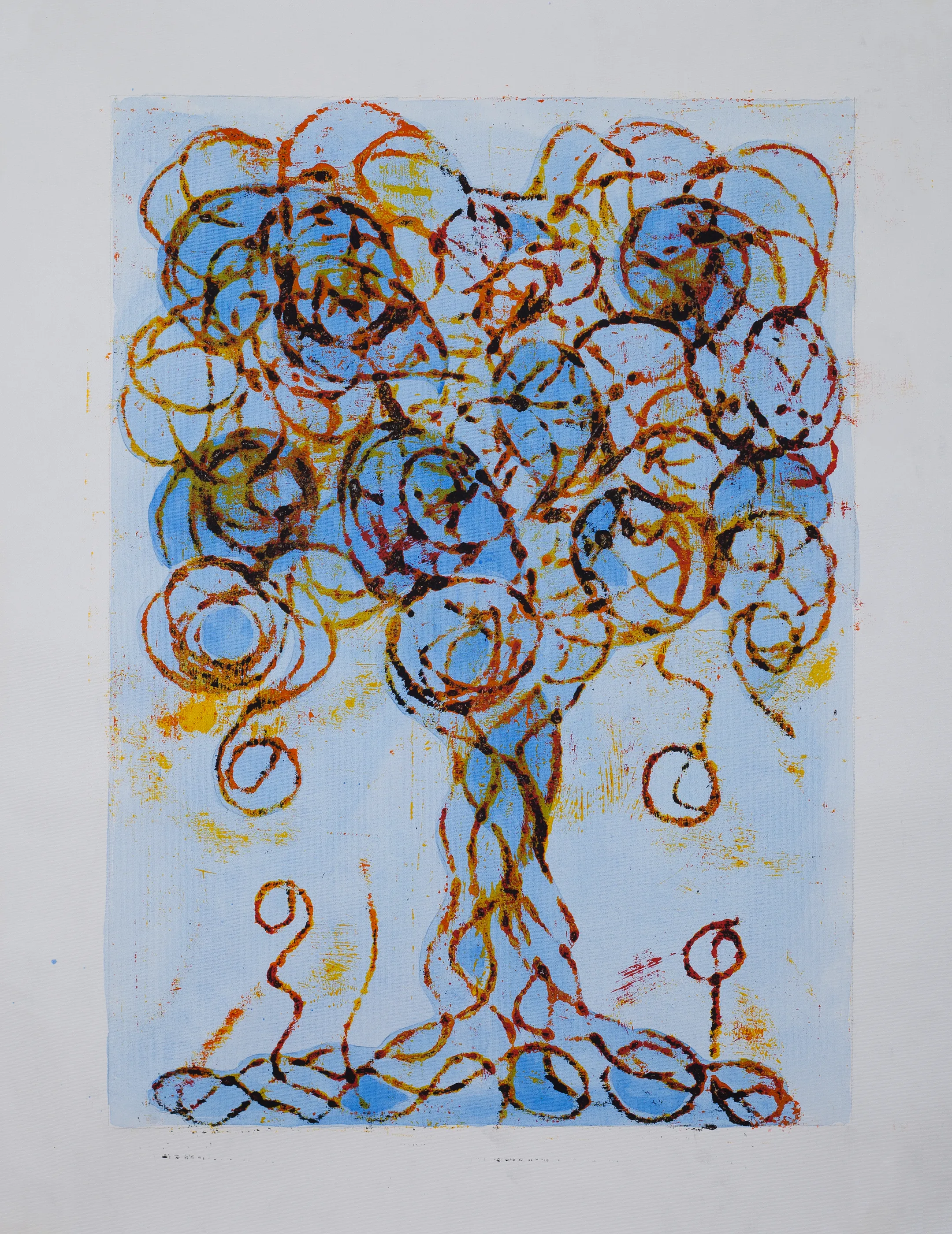
Interbeing
Acrylic on canvas
72 × 52 cm
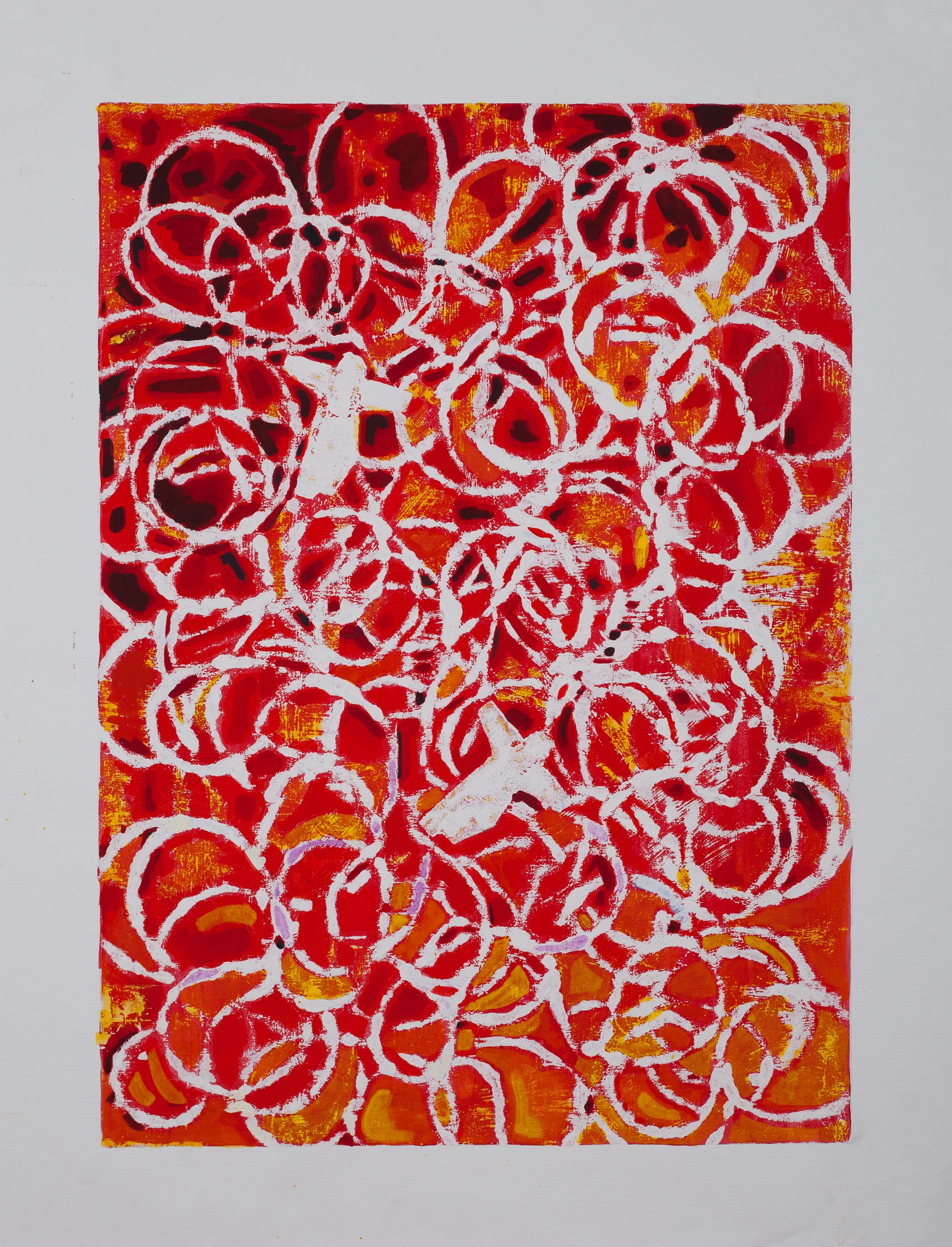
Interbeing
Acrylic on canvas
72 × 52 cm
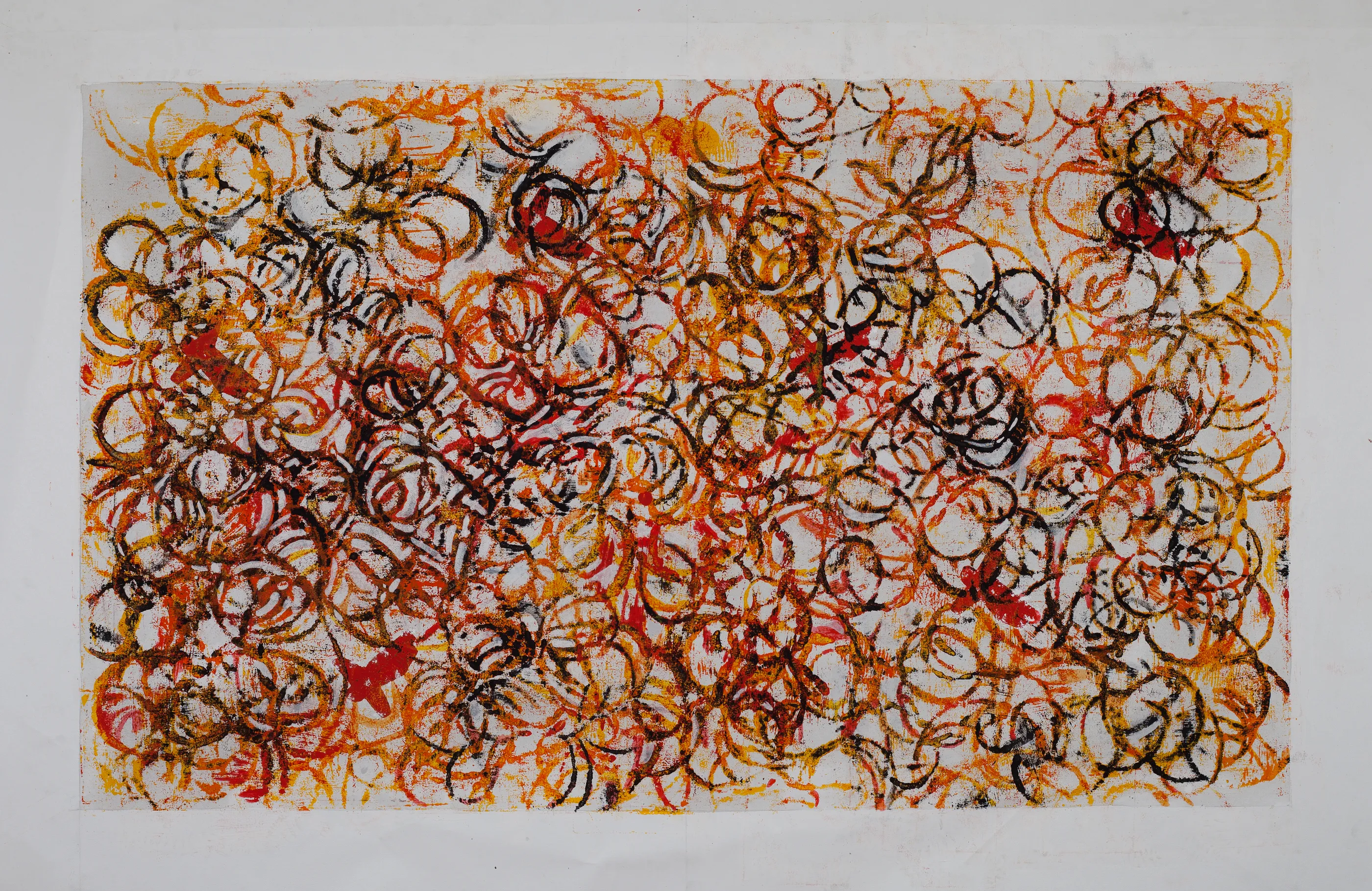
Interbeing
Acrylic on canvas
84 × 140 cm
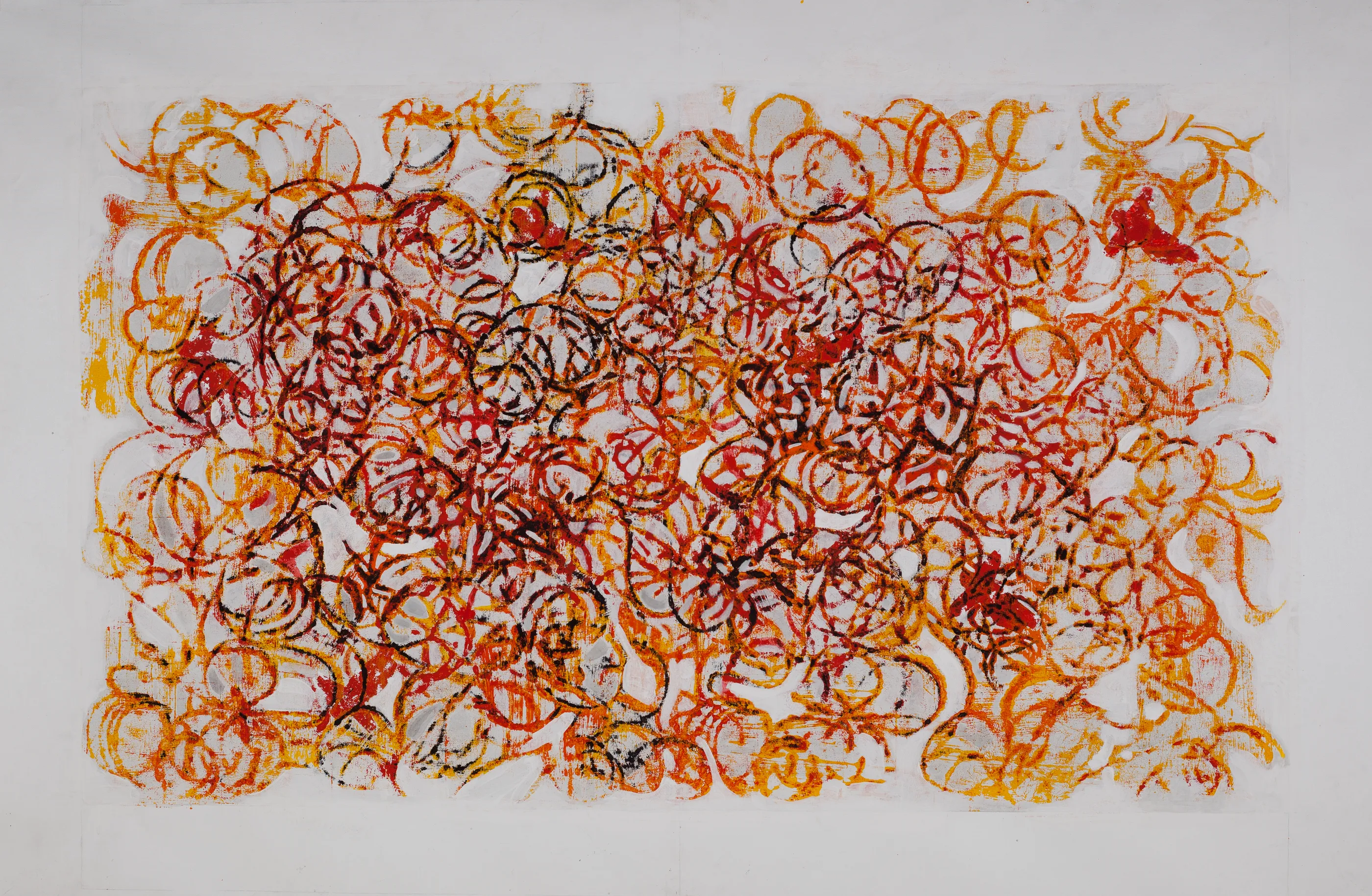
Interbeing
Acrylic on canvas
84 × 140 cm
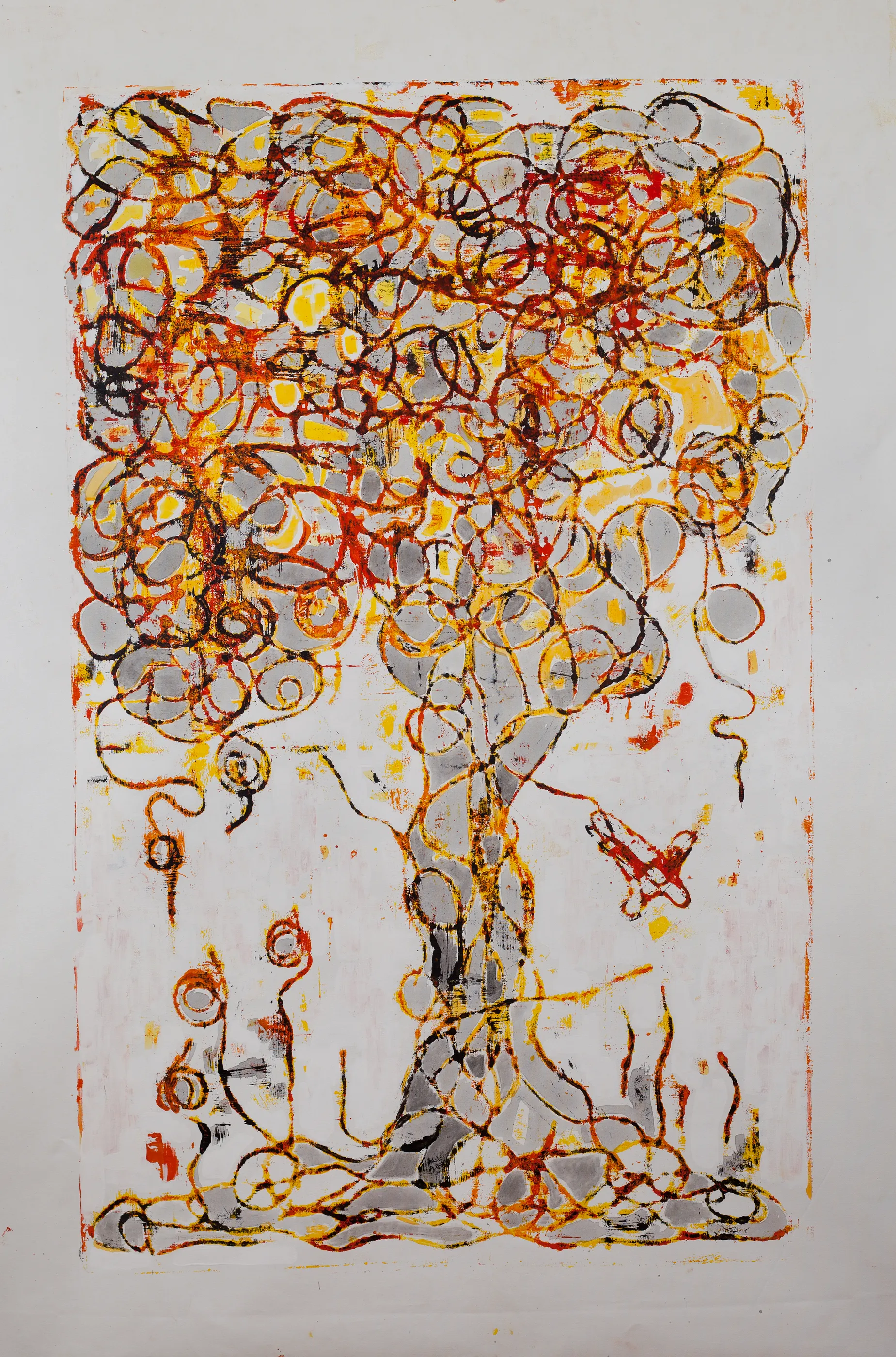
Interbeing
Acrylic on canvas
147 × 100 cm
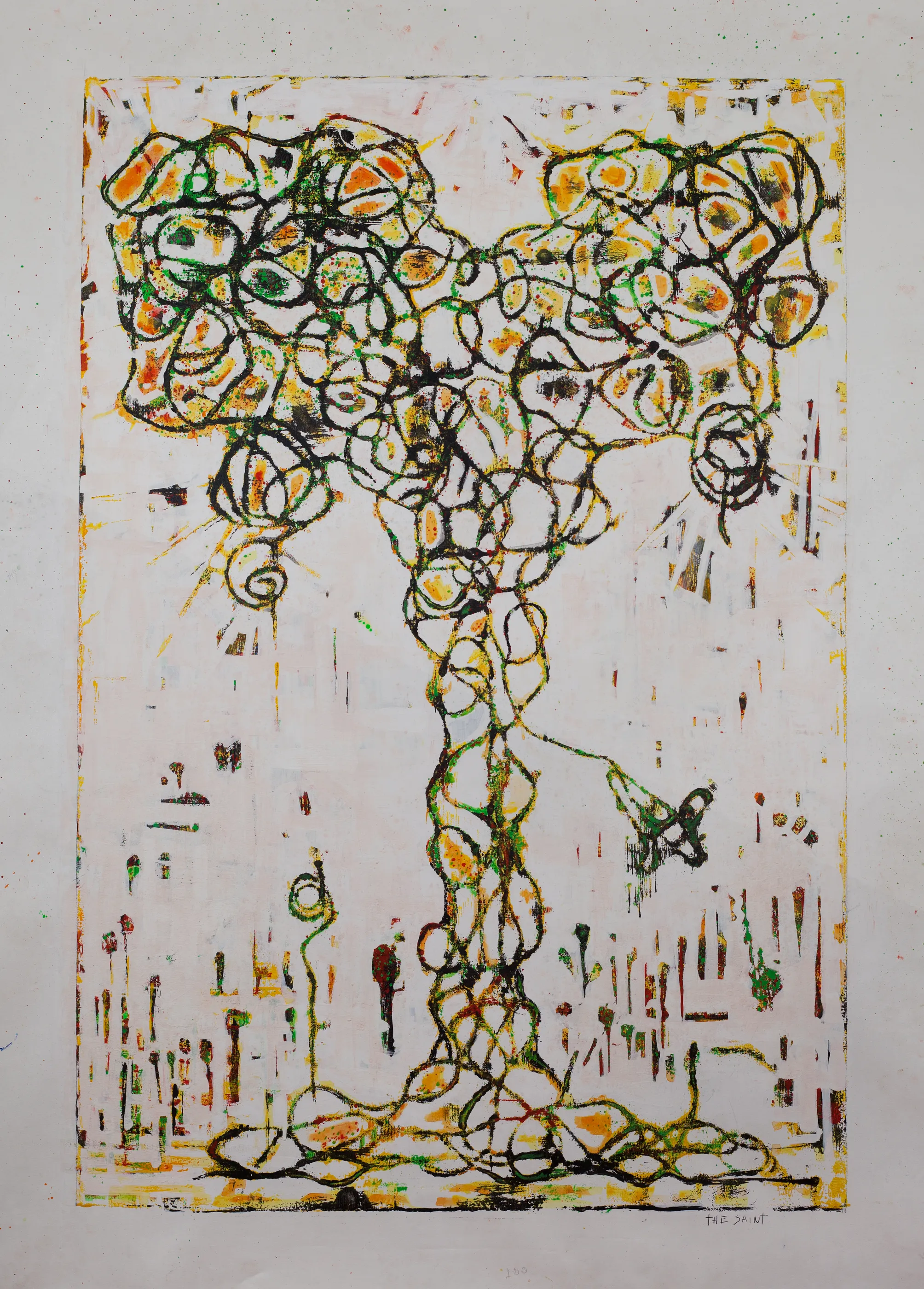
Interbeing
Acrylic on canvas
147 × 100 cm
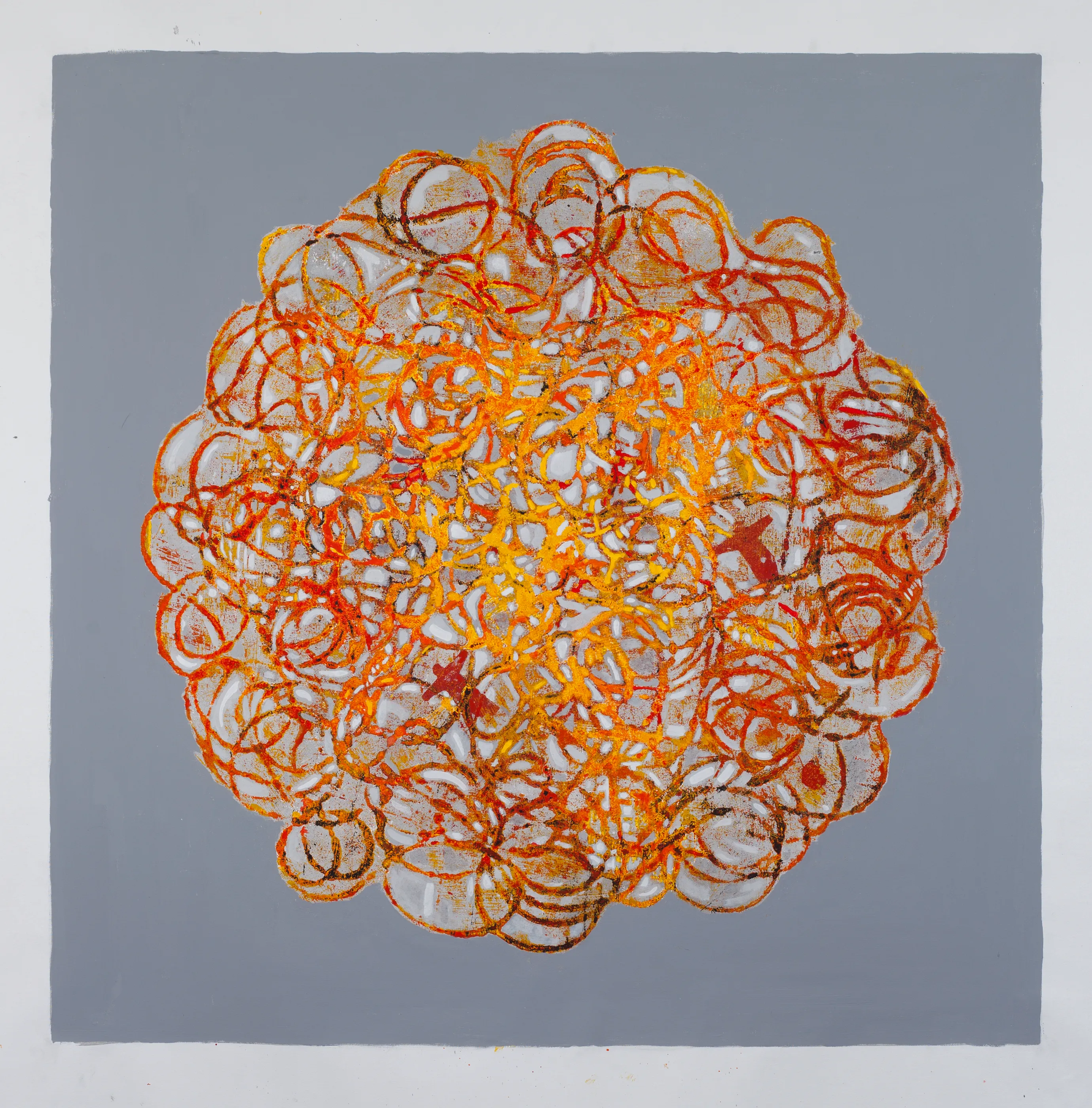
Interbeing
Acrylic on canvas
103 × 103 cm
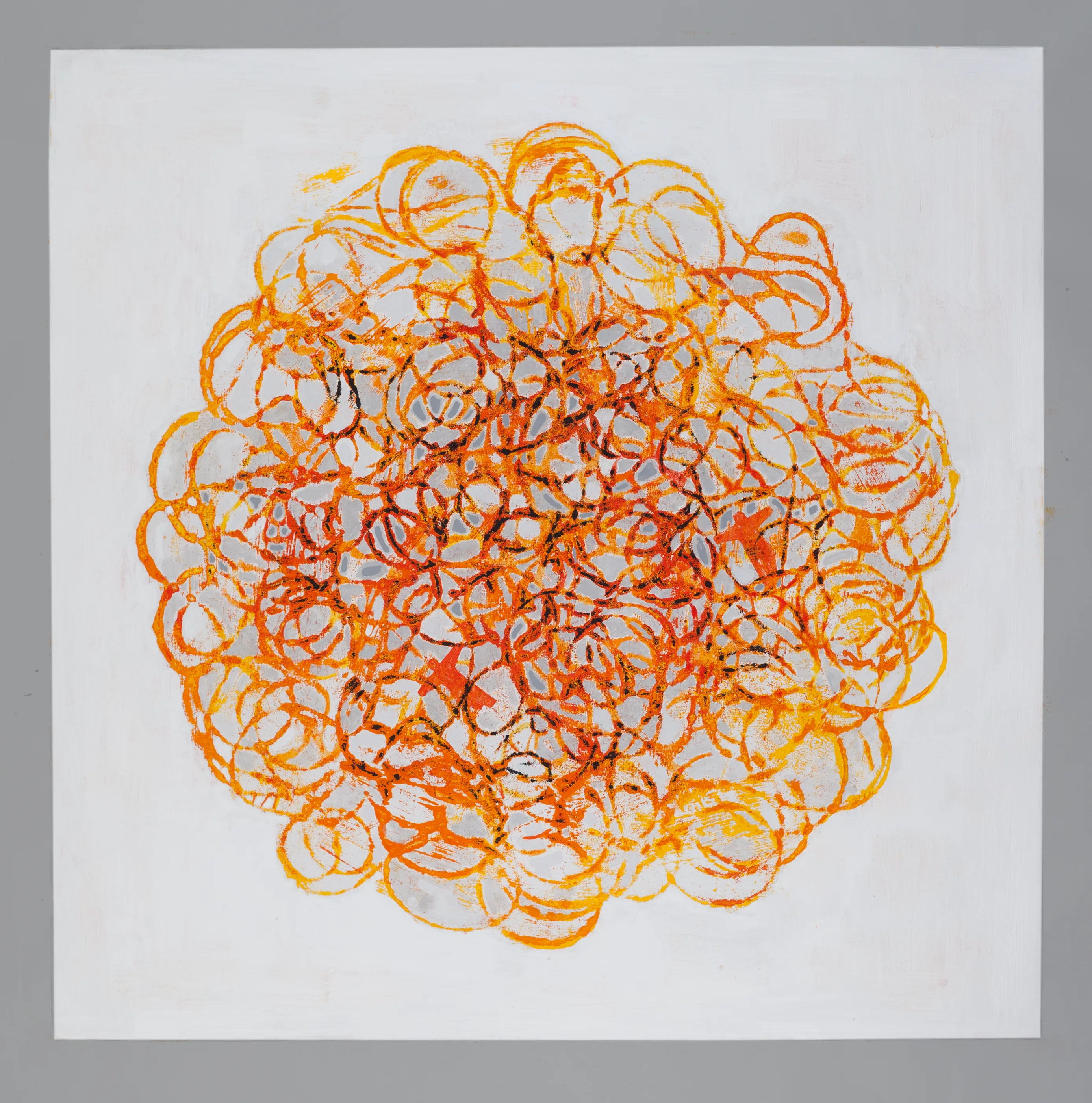
Interbeing
Acrylic on canvas
103 × 103 cm
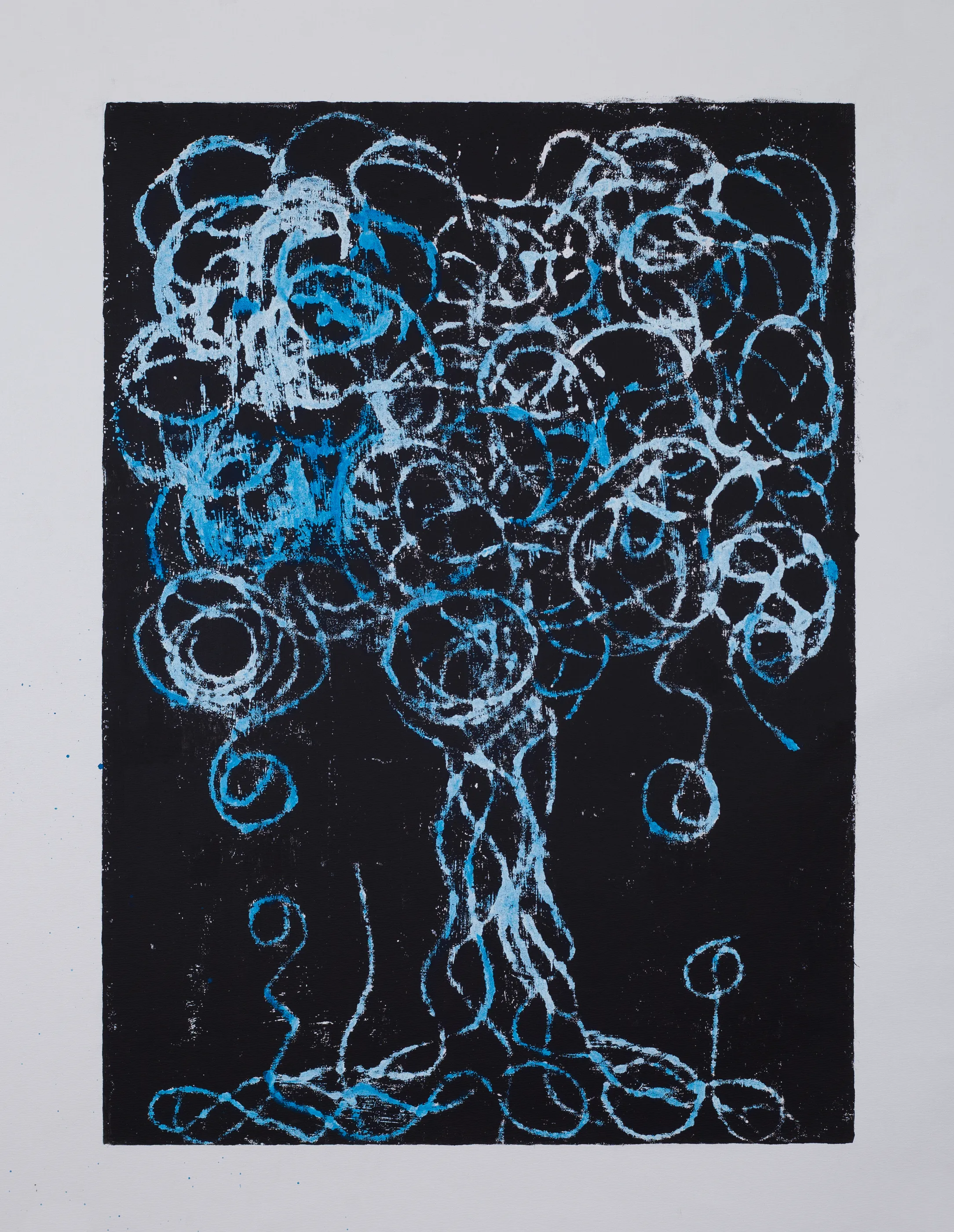
Interbeing
Acrylic on canvas
72 × 52 cm
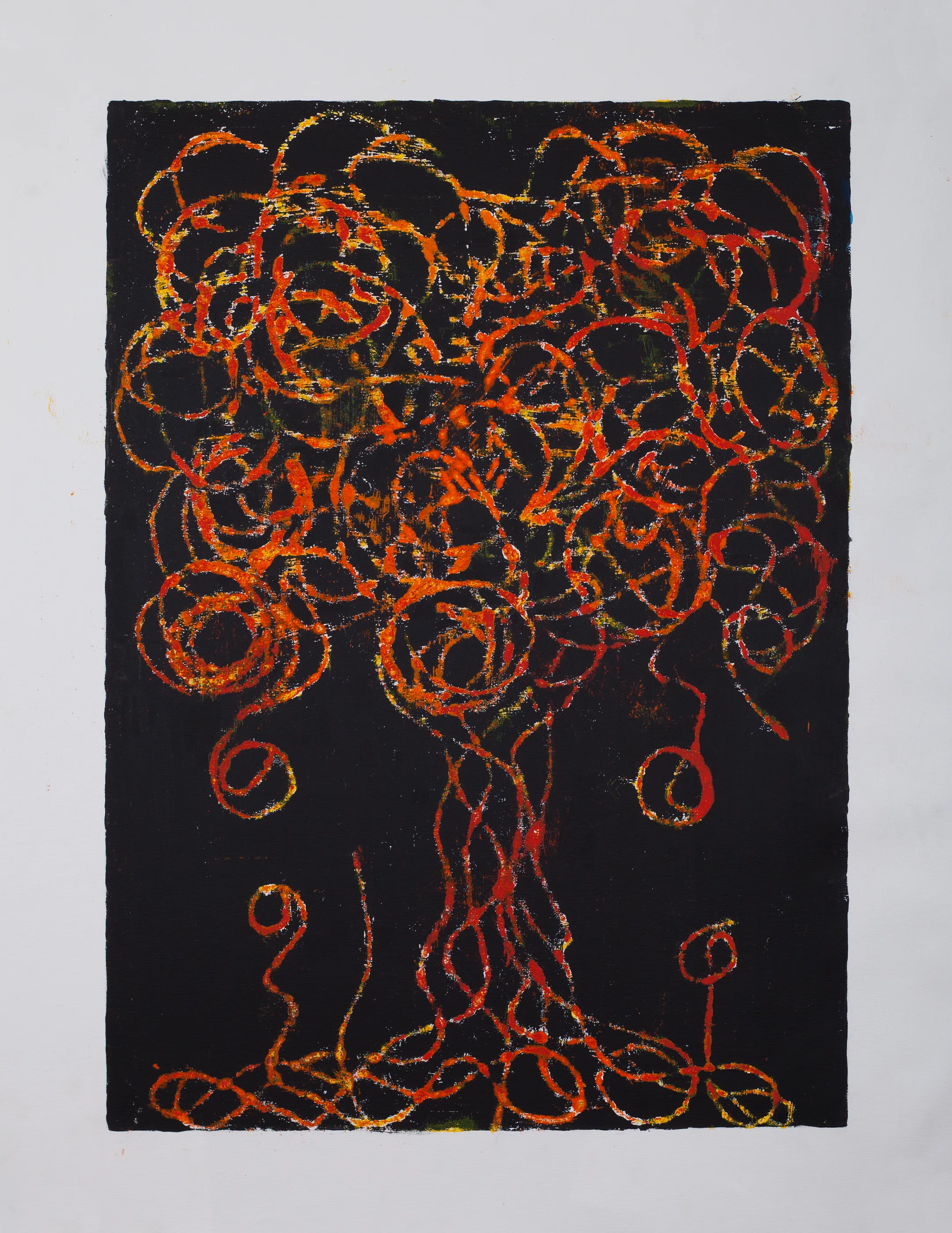
Interbeing
Acrylic on canvas
72 × 52 cm
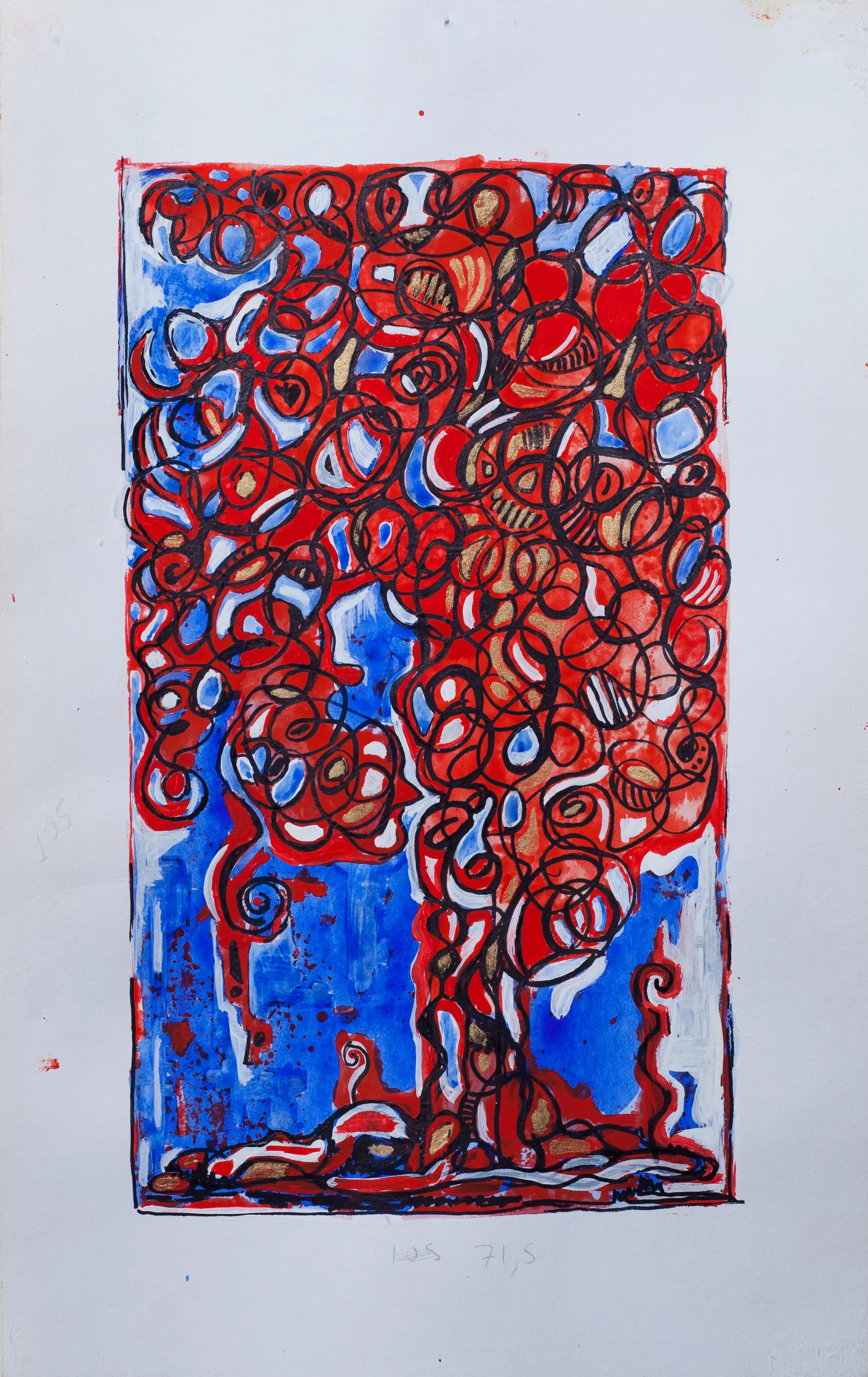
Interbeing
Acrylic on canvas
21 × 12 cm
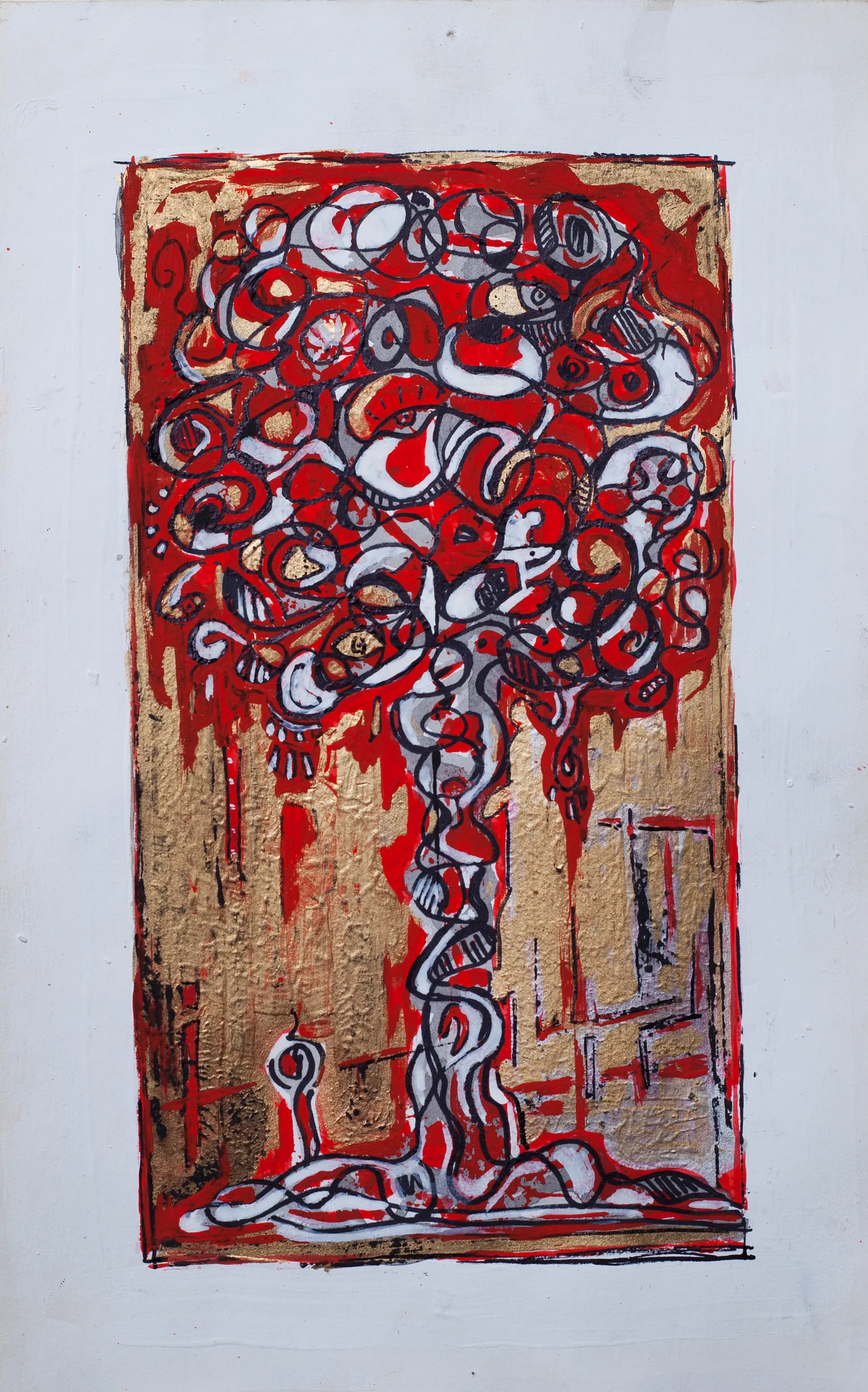
Interbeing
Acrylic on canvas
21 × 12 cm
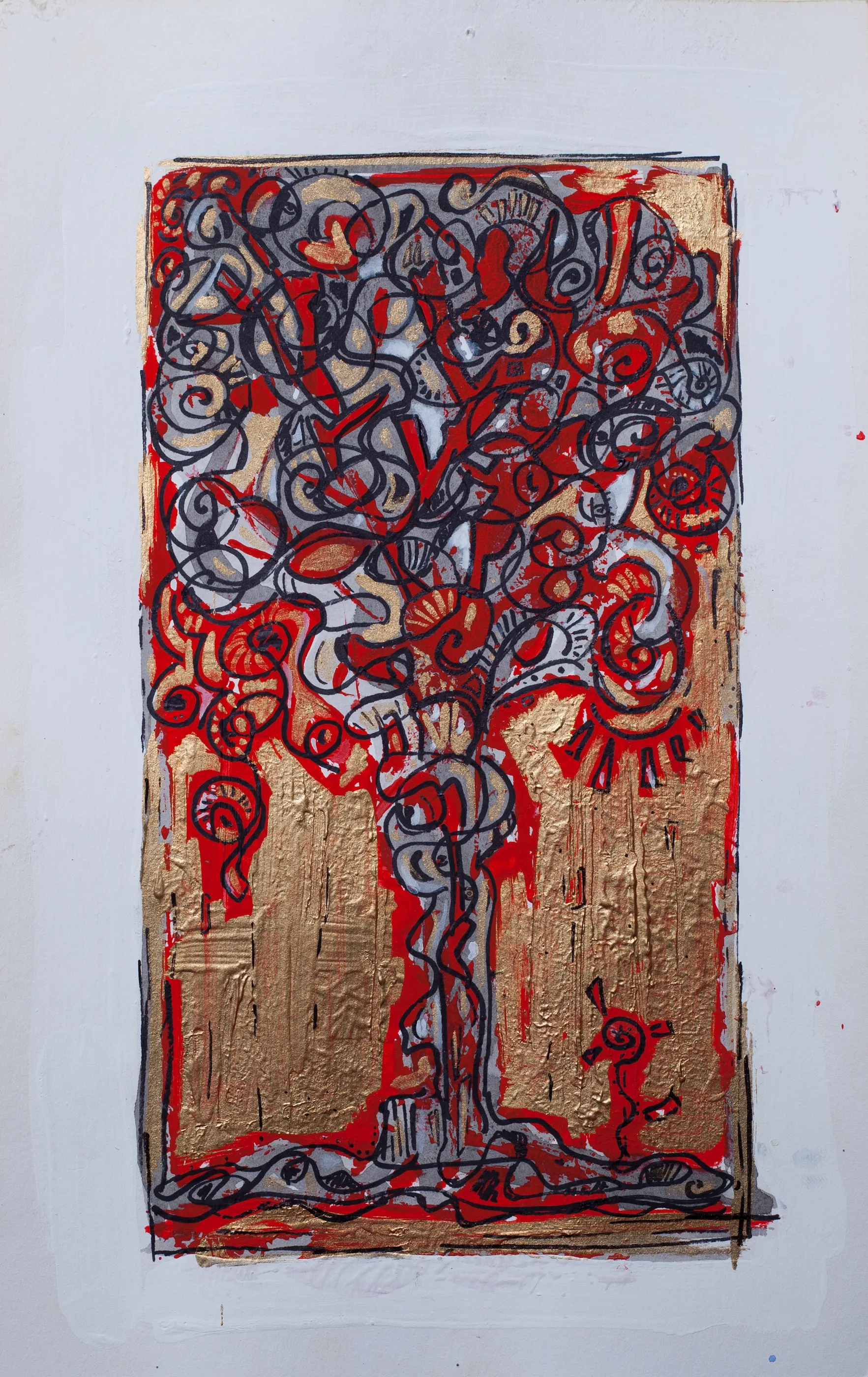
Interbeing
Acrylic on canvas
21 × 12 cm
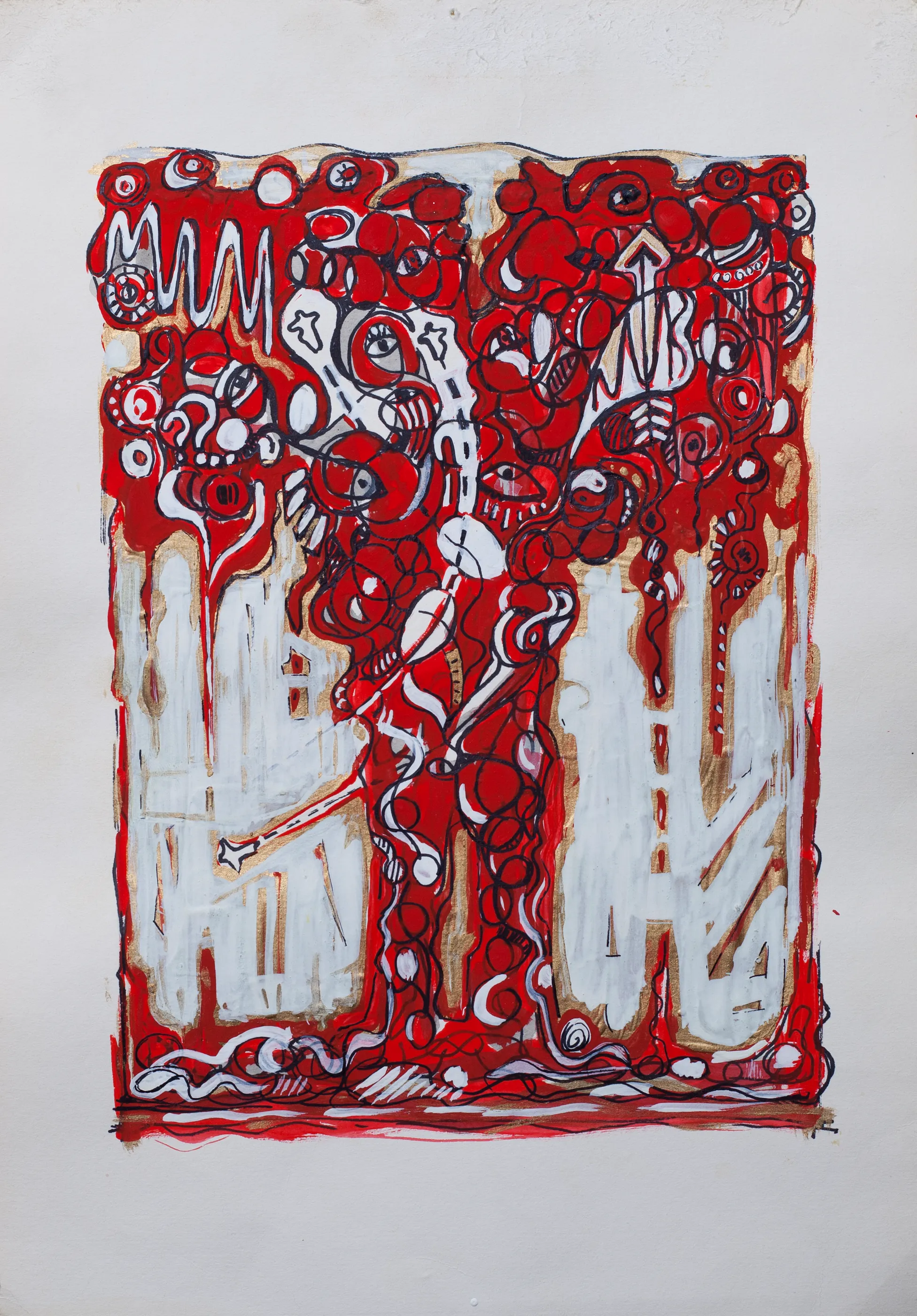
Interbeing
Acrylic on canvas
21 × 18 cm
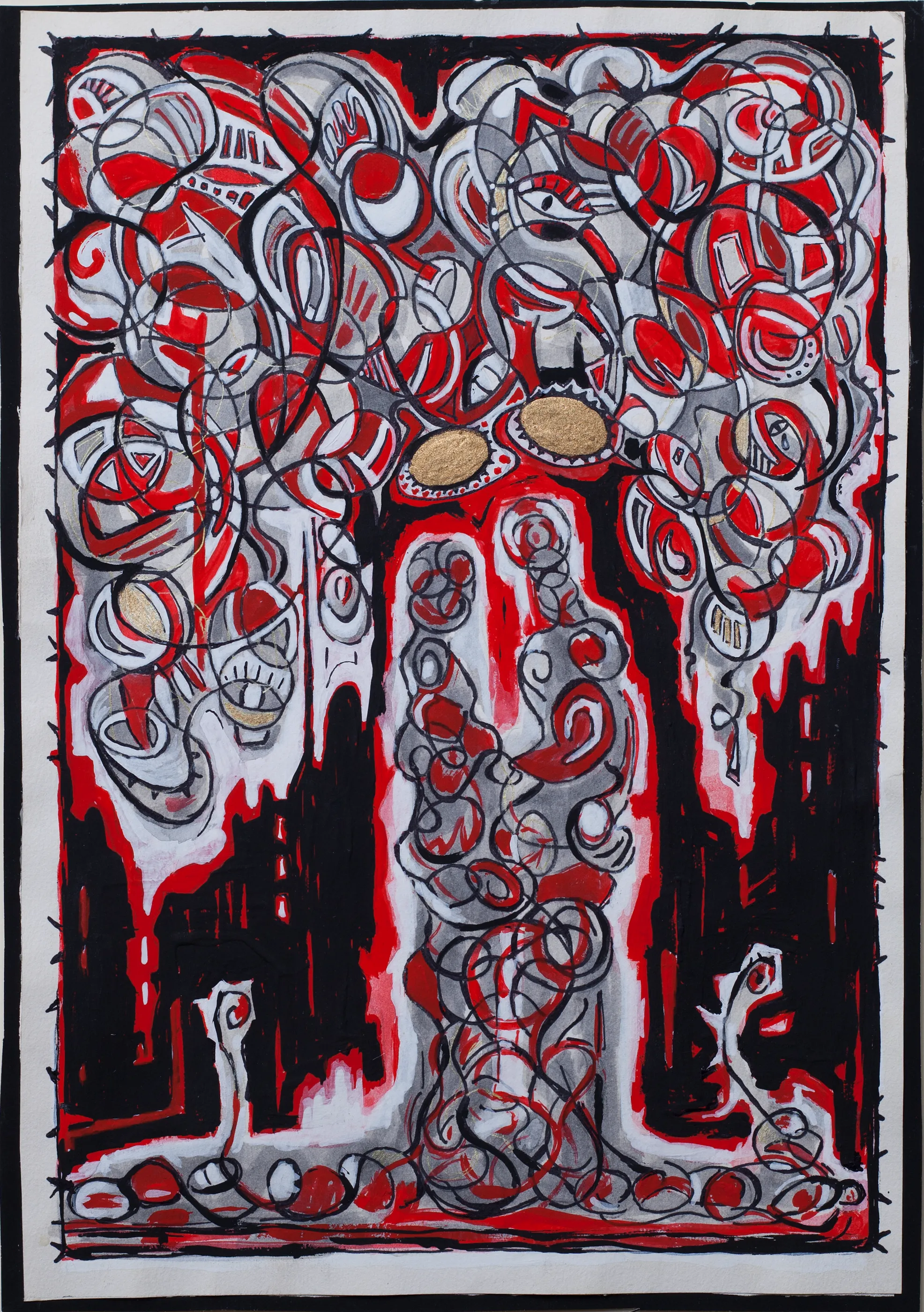
Interbeing
Acrylic on canvas
32 × 23 cm
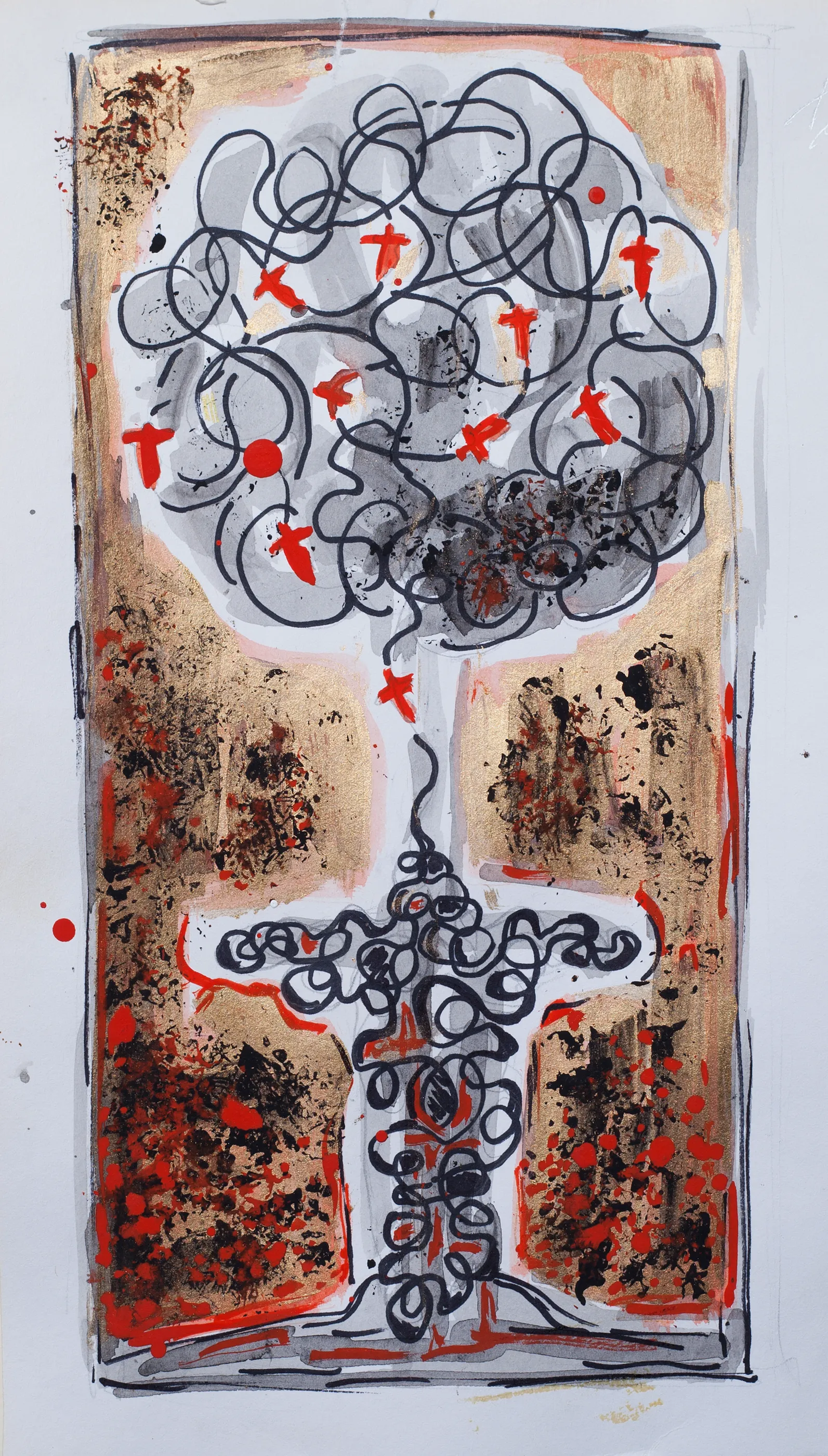
Interbeing
Acrylic on canvas
21 × 12 cm
